







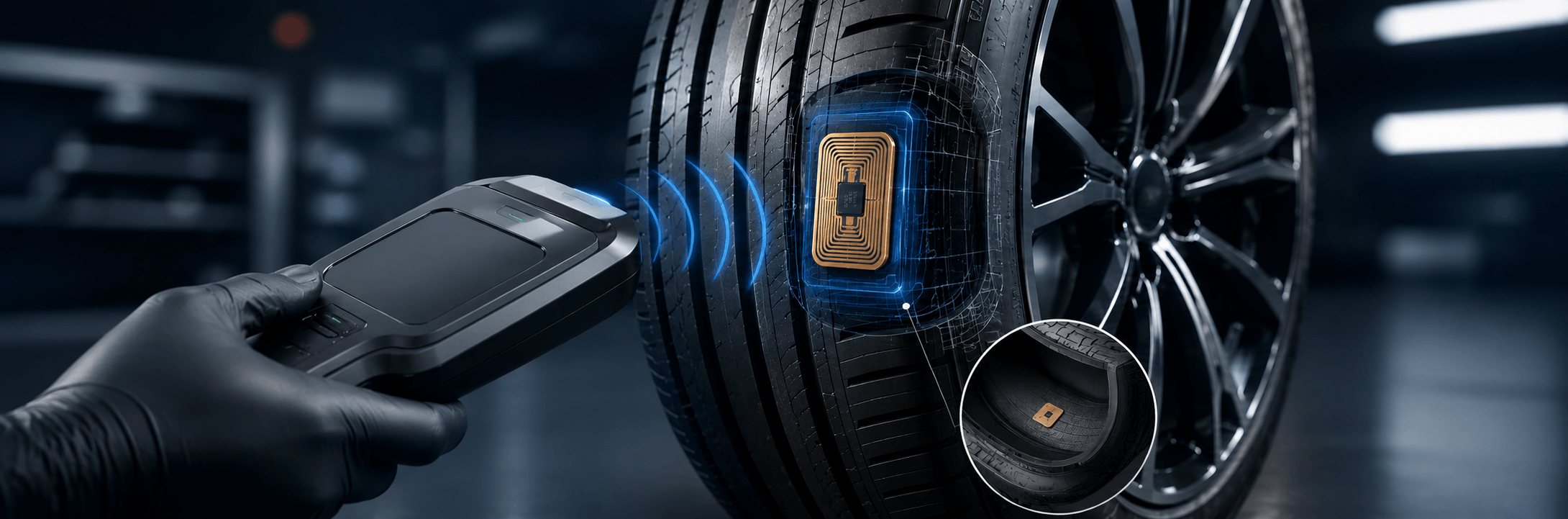
RFID in tyres provides a digital identity to each tyre, which can be read without the need to use a printed label and visual inspection alone. RFID could be used to identify tyres, track inventory, ensure accuracy during fitment, manage warranties, trace the lifecycle, and recycle depending on the implementation of the system.
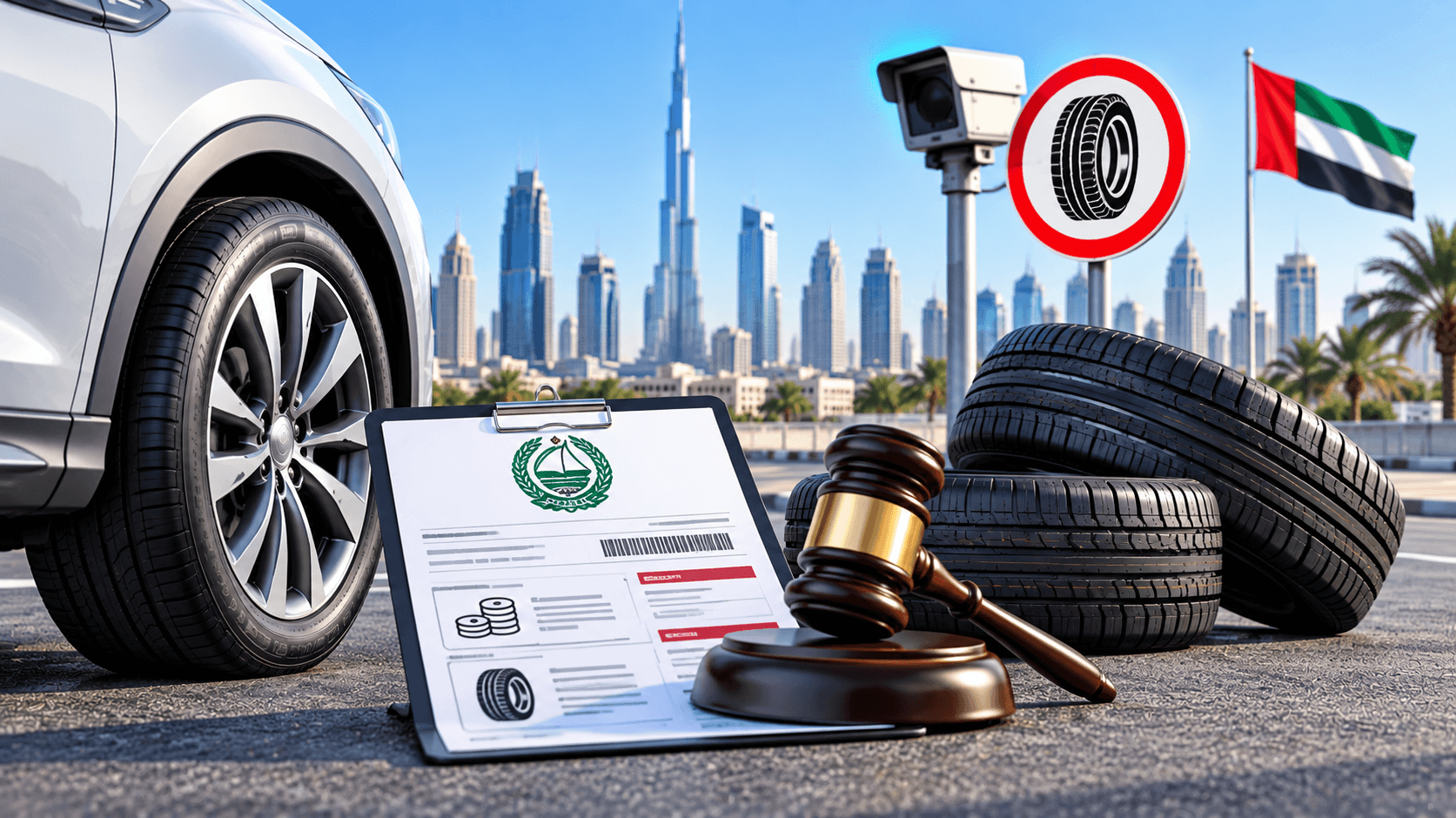
RFID is also applicable in the UAE to regulatory tyre traceability: the Ministry of Industry and Advanced Technology (MoIAT) implements an RFID tyre-label system to assist in monitoring the tyres on the market.
When comparing tyres Dubai, however, drivers need to be aware of what RFID is and what it is not. An RFID tag is capable of the identification of a tyre, and relating that identity to digital records, but it does not automatically measure tyre pressure, tread depth, temperature and remaining tyre life.
What Is RFID Technology in a Tyre?
RFID is an abbreviation of Radio Frequency Identification. It detects an object with an RFID tag using radio waves. The technology can be used to give each individual car tyre a unique electronic identifier in tyre applications that can be read by a compatible reader.
- The RFID Tag
A small electronic chip that includes an antenna and is encased in rubber can be an embedded tyre RFID system. Michelin refers to its tyre as a passive electronic chipset and antenna built into the tyre.
- The Unique Identifier
The identifier on the tag is not merely the identification of the tire, e.g., a specific brand or size. Michelin has implemented a 96-bit GS1 EPC identifier that includes a company prefix, item reference, and serial number.
Lifecycle traceability is possible because of that individual identity.
What happens with RFID in Car Tyres?
RFID does not mean the driver has to insert a cable into the tyre or change batteries placed in the tyre.
- Step 1: The Reader Signals
Passive UHF RFID technology is used in the tyre industry for embedded tyre identification. An RFID reader sends a radio-frequency signal to the tag.
- Step 2: The Passive Tag Responds
The tag does not need its own battery. It responds and transmits its stored identifier wirelessly.
- Step 3: Software Links the ID to Tyre Data
This identifier may then be linked to information in the database regarding that particular tyre. This enables manufacturers, distributors, workshops, fleet operators, or any other authorized systems to digitally identify and manage tyres.
This distinguishes RFID from scanning printed information on the sidewall of the tyre.
RFID vs TPMS: What is the Difference?
No. This difference matters because the two technologies can be easily mixed up.
| Feature | RFID | TPMS |
|---|---|---|
| Primary purpose | Tyre identification | Tyre-pressure monitoring |
| Unique tyre identity | Yes | Not its main purpose |
| Pressure warning | No, not by itself | Yes |
| Lifecycle traceability | Can support it | Generally not its purpose |
| Inventory management | Yes | No |
| Battery required | Passive tyre RFID does not | Sensor design dependent |
What Are the Main Benefits of RFID Tyres?
The greatest advantages are not just during the time that the tyre is attached to a car, but throughout its life cycle.
- More Accurate Tyre Identification
Important specifications are found in sidewall markings, although digital identification can help minimize errors in manual identification. A reader is in a position to access the unique tyre identity and relate with the corresponding records.
This can assist workshops to ascertain that the appropriate tyre is linked with the appropriate automobile or wheel during service activities. Among RFID maintenance applications, Michelin highlights better tire recognition and fewer service errors.
- Better Inventory and Supply-Chain Tracking
RFID can simplify the process of tracking individual tyres to the production, warehousing, distribution, and inventory to manufacturers and retailers of tyres.
RFID-enabled systems can be used to offer greater visibility of tyres inventory and movement than the alternative method of manual stock checking.
- Warranty and Service Records
An individual tyre identity can be maintained in the long term to facilitate warranty and claims management. With proper connection of the systems, the tyre can be linked with associated records at various lifecycle stages.
- End-of-Life Management
RFID can be used even after the tyre has completed its regular road use. Michelin recognises recycling and end-of-life management as applications since the digital identity of the tyre can be used to recover information that can be used in processing and recycling.
Why Does RFID Matter for Tyres in the UAE?
RFID has specific applications in the UAE beyond logistics and manufacturing. MoIAT offers product-label-card service of vehicle tyres.
The label, as stated by the Ministry, allows the customers and regulatory bodies to check whether the tyres meet the national requirements and standards and track them in the market via RFID.
- Product Traceability
Traceability assists in the association of a physical tyre to its product data as opposed to a retailer relying on what it says about it.
- Regulatory Oversight
Labeling of tyres with RFID enables regulatory bodies to have an additional tool of product identification and tracking within the UAE market. The RFID Tire Label was also added to the list of the national conformity marks and efficiency labels that MoIAT updated in 2025.
To consumers who are trying to find the best tyres in UAE, the following is a significant background: the quality and suitability of tyres remain a matter of specification, condition, manufacturing details and compatibility with the vehicle. RFID provides traceability; it does not replace these checks.
What RFID Cannot Tell You About a Tyre?
The technology has handy features, but it is not to be considered a full tyre-health sensor.
- Does Not Replace TPMS : An entry-level passive RFID identification tag does not include real-time tyre-pressure alerts.
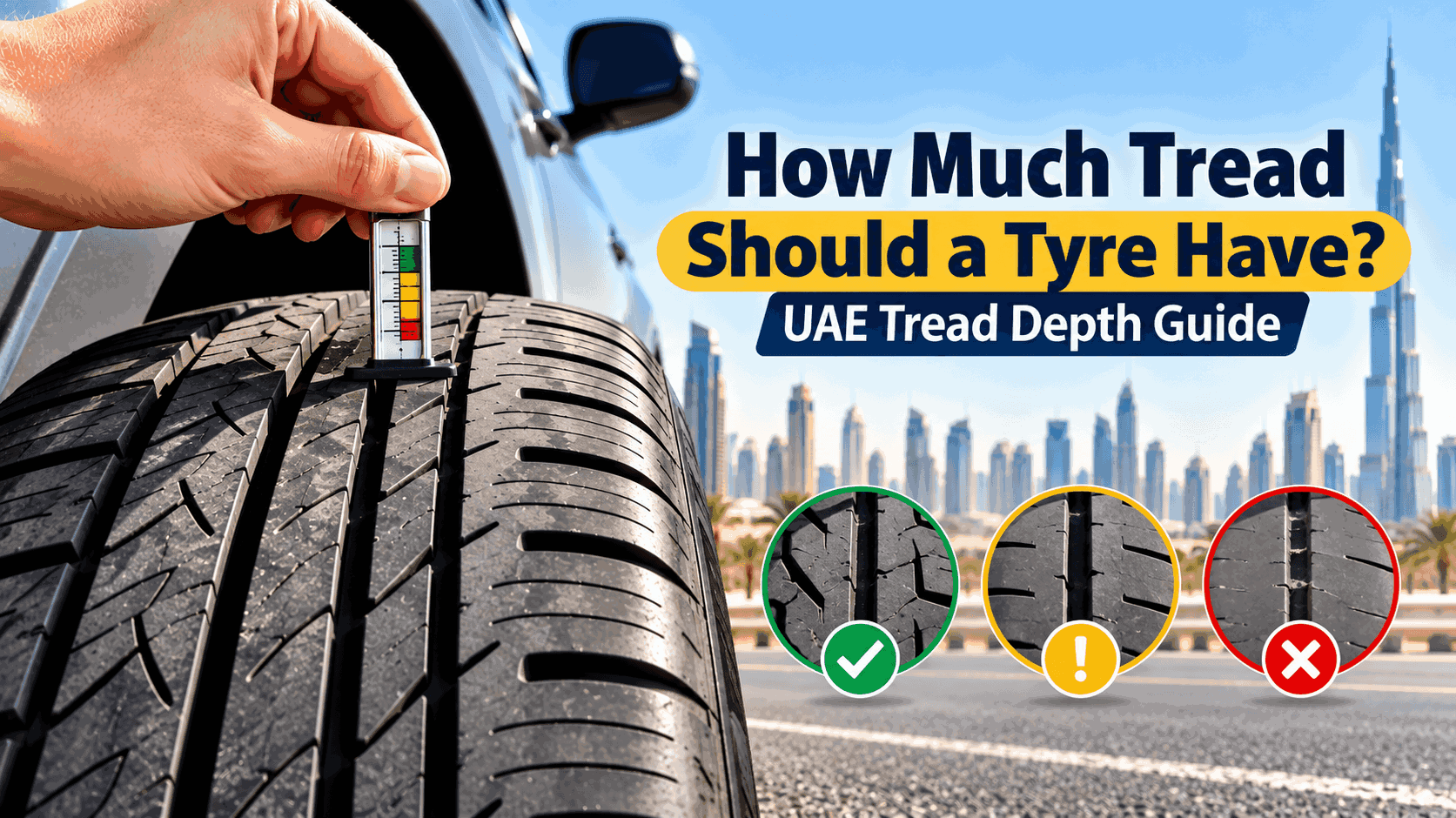
- Does Not Replace Physical Inspection : RFID cannot substitute for checking tread condition, cuts, bulges, punctures, irregular wear, and other visible damage.
- It Does Not Guarantee Correct Fitment : Even a traceable tyre may not fit your car. Drivers should also check the tyre size, load index, speed rating, wheel specification, and any manufacturer-specific fitment requirements. Even attractive tyre deals or low prices should not come before such specifications.
Will RFID Become More Important in Future Tyres?
The future of the tyre industry points to the fact that the use of digital identification is going to gain more significance.
International standards have already been developed in the tyre industry that encompass RFID communication protocols, serial-number format, tag attachment and conformity testing. RFID can also bridge the gap between tyre identification and wider digital services to assist manufacturers and car service providers in enhancing maintenance, logistics, warranty management and recycling.
For motorists, the practical result could be more accurate tyre identification and increasingly connected service records rather than tyres simply becoming another electronic gadget.
Conclusion
RFID changes a tyre, which is known only by its physical markings, to one that can have a lasting digital identity as well. Traceability, correct identification, inventory control, service and warranty, and end-of-life tracking are its greatest advantages. RFID is also applied in the vehicle-tire product labeling and market-traceability system of MoIAT in the UAE.
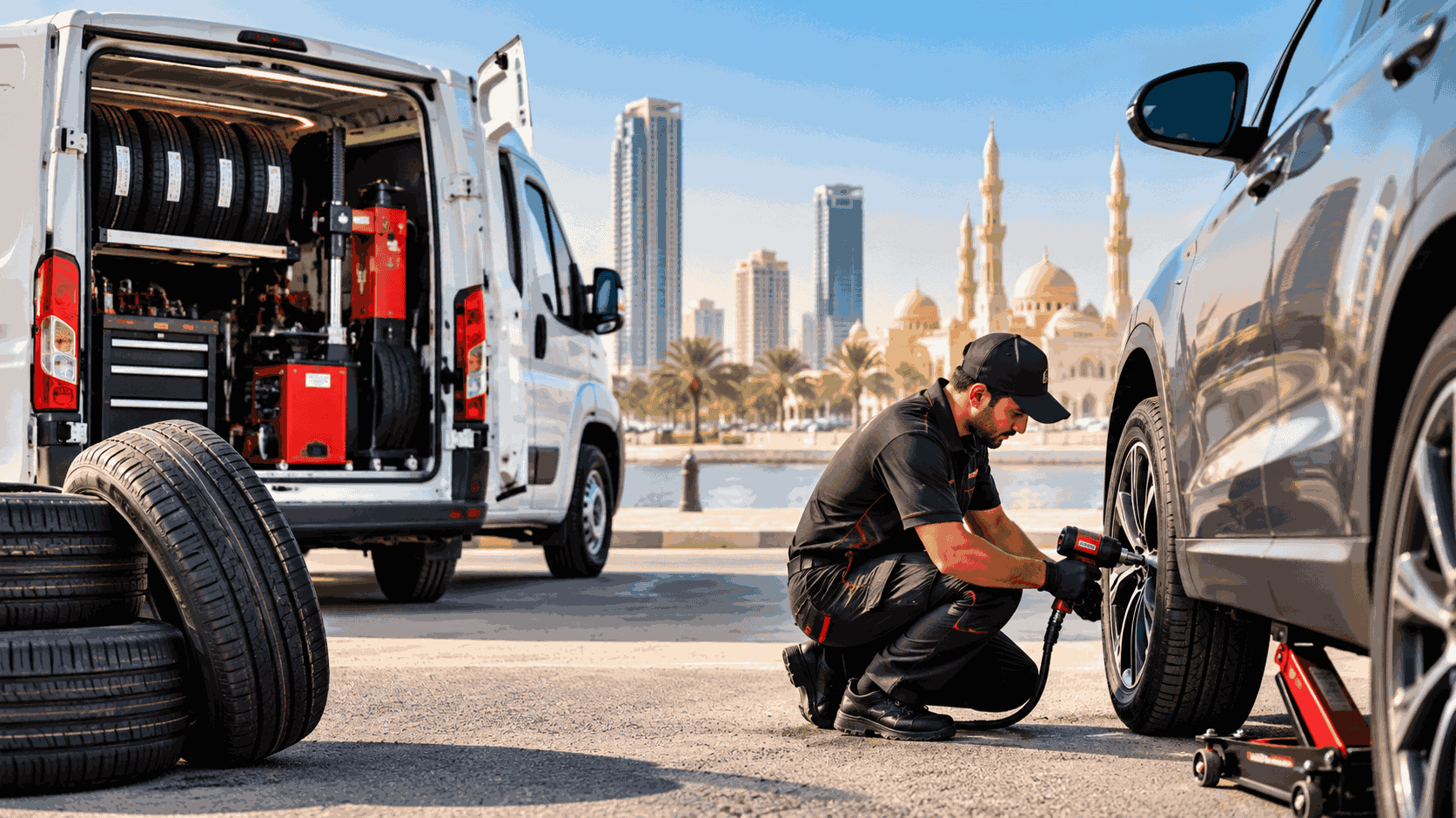
TyresCart can be used by drivers to find tyres by size, brand or tyres deals by searching tyres by vehicle, brand, or size. TyresCart has over 50 tyre brands and provides mobile tyre fitting via its network of installers in the UAE. Digital traceability is another benefit when selecting the most appropriate tyres in UAE to fit your vehicle, however, proper fitment, tyre specifications, quality, and proper installation should be the priority.