








Adequate tyre care Dubai considerations can greatly enhance tyre life, decrease operating expenses and enhance the safety of passengers in a taxi. The proper tyre pressure, regular rotation of tyres, wheel alignment, and early detection of tyre wear contribute to maximizing the duration of any set of tyres and minimizing the risk of unforeseen failures.
Taxi cars in Dubai make significantly higher yearly cover compared to the privately owned cars. Car tyres are under constant stress because of the long working hours, heavy stop-and-go traffic, frequent visits to the airport, highway driving and high road temperatures. Since tyres are one of the biggest operating costs of commercial drivers, preventive tyre care measures must be adopted to enhance profitability and ensure constant daily operation.
Most tyre manufacturers claim that keeping tyre pressure at the right level, changing tyres when needed and checking the state of the treads is one of the best methods to ensure maximum tyre life, particularly in hot weather like that in the UAE.
Why Do Taxi Tyres Wear Faster Than Normal Passenger Car Tyres?
Taxi cars do not get long periods of rest. The majority of them work all day, with several passengers on board as they navigate the busy city streets, highways, airports and commercial neighborhoods. This operational speed increases the rate of tyre wearing, in comparison to cars owned privately.
It is useful to know some of the most common terms used in tyres before going on to discuss how to maintain them.
Tyre rotation is changing the position of tyres in various wheels to encourage a more even tread wear.
Tyre pressure is the quantity of air found in the tyre and is quantified based on the manufacturer of the vehicle.
Which Driving Habits Shorten Tyre Life the Most?
The rate of tyre wear is significantly affected by driving style. High-quality tyres cannot resist losing tread even during the day due to aggressive driving patterns.
Acceleration, heavy braking, sharp cornering, mounting kerbs and often hitting potholes put more stress on the tyre tread and internal construction. By using smoother methods of driving, taxi drivers not only are rewarded with longer tyre life, but also enjoy increased passenger comfort and fuel economy.
Why Is Correct Tyre Pressure the Most Important Part of Tyre Care?
One of the most effective and simplest practices of enhancing the lifespan of the tyres is through proper tyre pressure monitoring practices. Low inflation leads to high rolling resistance, uneven tread wear, reduced braking efficiency, and poor vehicle handling.
- Underinflated Tyres : Tyres that have pressure that is lower than the recommended pressure are too flexible when driving. This creates more heat, wears out shoulders faster, burns more fuel, and overall reduces the lifespan of tyres.
- Overinflated Tyres : High tyre pressure decreases the contact with the road of the tyre and makes the centre tread wear more, but it diminishes the comfort of the ride and the level of braking.
How Often Should Taxi Drivers Check Tyre Pressure?
Due to the long distance traveled by taxi vehicles daily, a tyre pressure check should be conducted by the drivers at least once a week and before long trips along highways. Measuring pressure is best done when tyres are cold to give the most accurate reading.
How Does Regular Tyre Rotation Extend Tyre Life?
The front and rear tyres do not wear equally since the distribution of steering, braking, acceleration, and weight in the vehicle is not evenly distributed. Unless tyres are regularly rotated, they may become worn much more quickly than others.
Whenever tyres are changed, it is recommended that they be changed after a specified period by the manufacturer so that there is equal wear in all four tyres, thus maximizing their life usage and giving them balanced handling and braking characteristics.
Why Is Wheel Alignment Essential for Dubai Taxi Drivers?
A large daily mileage implies that even the slightest deviations in the alignment can be converted into a serious problem of tyre wear in a short period of time. Wheels that are not correctly aligned will result in tyres scratching the ground rather than rolling, reducing their tread life, and consuming more fuel.
Professional wheel alignment guarantees that all tyres are in proper contact with the road, thus steering is more stable, uneven wear is minimized, and overall vehicle efficiency is enhanced.
How Can Regular Tyre Inspections Prevent Expensive Replacements?
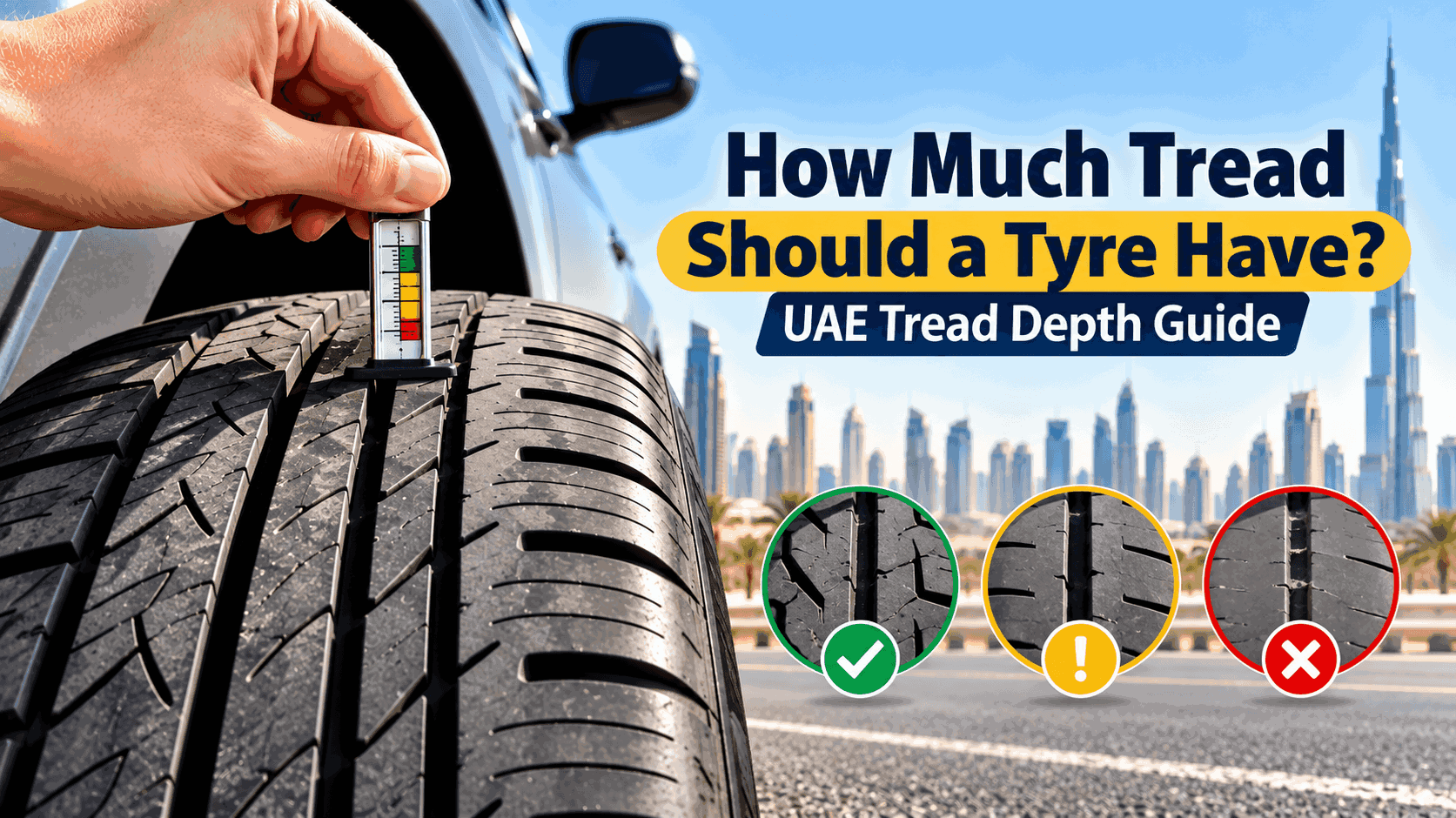
Vehicles used by taxi drivers are regularly checked to ensure taxi drivers recognize minor issues before they develop into serious safety issues or lead to premature tire replacement. Daily vehicle inspections, including checking tyres with uneven tread wear or embedded nails, cuts, and sidewall bulges, or any visible tyre damage, make it possible to repair or replace punctured tyres before being caught off guard by a roadside breakdown.
Does High Road Temperature Affect Tyre Life in Dubai?
The car tyres in Dubai are subject to continuous thermal stress due to the temperature of the summer roads, particularly when operating over long periods of the day. Heat is a wear accelerator of rubber, raises internal tyre temperatures, and varies proper inflation pressure even more significantly in commercial vehicles, which run all day long.
It is advisable to park in shady places as much as possible and use regular tyre pressure check routines to reduce the impact of high temperatures and enhance the lifespan and safety of driving the tyre.
Which Tyres Are Best for High-Mileage Taxi Drivers?
Taxi drivers are more likely to have tyres, which are made with durability, fuel efficiency and everyday performance as opposed to the maximum sports handling. The long tread life, reliability of wet and dry grip, low rolling resistance and even wear properties are usually more important than performance-based features.
As a driver decides on which tyre shop to buy a tyre, he or she should look at the tread life, tyre warranty, fuel-saving ratings and recommendable ratings and not just the lowest buying price.
What Tyre Maintenance Schedule Should Taxi Drivers Follow?
Following a consistent tyre maintenance routine helps reduce operating costs while maximizing tyre life.
| Maintenance Item | Recommended Interval |
|---|---|
| Tyre pressure check | Weekly |
| Visual tyre inspection | Daily |
| Tyre rotation | Every 8,000–10,000 km |
| Wheel alignment | Every 10,000 km or when uneven wear appears |
| Wheel balancing | During tyre rotation or after repairs |
| Tread depth inspection | Monthly |
What Common Mistakes Reduce Tyre Life?
There are a few bad habits that reduce the life of tyres, despite using quality tyres.
- Failure to heed the recommended tyre pressure.
- Delaying tyre rotation
- Driving aggressively
- Skipping wheel alignment
- Overloading the vehicle
- Ignoring any tread abnormalities in the initial stages.
By avoiding such errors, taxi drivers will be able to gain higher value by every tyre replacement cycle.
Conclusion
Having tyres on the list of highest operating costs of Dubai taxi drivers, preventive tyre care Dubai is key to reducing the costs over the long term and enhancing the stability of the vehicle.
Consistent tyre pressure check schedules, regular rotations of the tyres, correct wheel alignment, easy driving patterns and regular check-ups are all useful in prolonging the life of the tyres without compromising on passenger safety and fuel consumption. Minor repairs that are done regularly usually translate into huge savings in the life of any set of tyres.
If you need quality Tyres Dubai, reliable car tyres, or professional tyre care service, TyresCart has a plethora of authentic tyre brands, expert installation, wheel balancing, alignment, puncture repair, and tyre replacement services throughout the UAE. Our expert team assists taxi drivers and ordinary motorists in selecting appropriate tyres to optimize safety, longevity, and cost-effectiveness.