







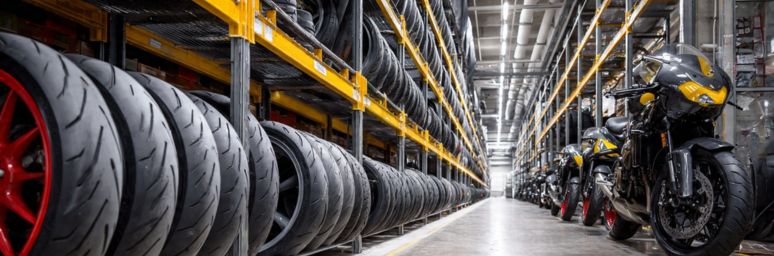
تُمثّل إطارات الدراجات النارية استثمارًا كبيرًا ومكوّنًا حيويًا للسلامة. سواء كنت تخزّن إطارات احتياطية للاستخدام المستقبلي، أو تحافظ على إطارات مضمار موسمية، أو تُبقي الدراجة النارية بعيدةً عن الطريق خلال الشتاء، فإن التخزين الصحيح للإطار يؤثر مباشرةً على الأداء والمتانة والسلامة. مركّبات المطاط حساسة لدرجة الحرارة والرطوبة والتعرض للأشعة فوق البنفسجية والإجهاد الفيزيائي. قد يُسرّع التخزين غير الصحيح الأكسدة ويُسبب تشوهًا هيكليًا ويُقلل خصائص الإمساك قبل تركيب الإطار بوقت طويل.
يستلزم فهم كيفية تخزين إطارات الدراجات النارية بشكل صحيح الاهتمام بالظروف البيئية والوضعية الفيزيائية معًا. تُصنَّع الإطارات ببناء هيكلي محدد ومواد أحزمة وكيمياء مركّبات مُصمَّمة للأداء ضمن معاملات مضبوطة. عند التخزين بشكل غير صحيح، حتى الإطارات غير المستخدمة قد تتعرض لتشقق الجدار الجانبي أو التبقيع المسطح أو تصلب المركّب.
يضمن نهج التخزين المنظّم احتفاظ الإطارات بسلامتها الهيكلية وتقديم جذب مثالي عند إعادتها للخدمة. يدعم التخزين الصحيح عملية شيخوخة الإطار، مُبطّئًا تدهور المطاط ومحافظًا على قابلية الاستخدام على المدى الطويل.
يشرح هذا الدليل مبادئ تخزين إطارات الدراجات النارية، بما فيها ضوابط البيئة وطرق تحديد الوضعية وخطوات التحضير واستراتيجيات الحفظ طويل الأمد المتوافقة مع إرشادات الشركة المصنّعة ومعايير التخزين الاحترافية.
لماذا يهم التخزين الصحيح لإطارات الدراجات النارية
تُصنَّع إطارات الدراجات النارية من مركّبات مطاطية معقدة ممزوجة بالزيوت والكربون الأسود والسيليكا والمواد المعززة. تحتوي التركيبات الحديثة أيضًا على مضادات أكسدة ومضادات أوزون مُصمَّمة لإبطاء التدهور البيئي.
مع مرور الوقت، يؤدي التعرض للأكسجين والأوزون إلى أكسدة تدريجية. تُصلّب هذه العملية المطاط وتُقلل المرونة وتُضعف أداء الإمساك. تُسرّع الحرارة التدهور، بينما يُكسر الضوء فوق البنفسجي سلاسل البوليمر مُسببًا التشقق والبهتان.
مع انخفاض المرونة، قد تظهر تشققات دقيقة على المستوى الجزيئي تُعرف بالتشقق الدقيق، حتى لو ظل عمق النقش مقبولًا. تؤثر هذه التغييرات مباشرةً على كفاءة الفرملة وإمساك زاوية الميل والتغذية الراجعة تحت الحمولة.
يؤثر الإجهاد الفيزيائي أيضًا على هيكل الإطار. يعتمد الهيكل الداخلي على توتر موزّع بالتساوي عبر الطبقات والأحزمة. قد يؤدي التخزين غير الملائم أو الحمولة المطوّلة إلى بقع مسطحة وتشوه وانحراف الحافة.
يُبطّئ التخزين الصحيح هذه العمليات التدهورية بالتحكم في التعرض البيئي والحفاظ على مرونة المركّب وصيانة قوة الجدار الجانبي وحماية سلامة البطانة الداخلية.
كيفية تخزين إطارات الدراجات النارية بشكل صحيح
تنظيف الإطارات بالكامل
قبل التخزين، نظّف الإطارات لإزالة الأوساخ والحطام وغبار الفرامل والزيوت. يمكن للملوثات احتجاز الرطوبة وتسريع التدهور. استخدم صابونًا خفيفًا وماءً بدلًا من المواد الكيميائية القاسية.
تجنّب المنتجات النفطية لأنها قد تُجرّد الزيوت الواقية من المطاط. لا تضع مستحضرات الإطارات قبل التخزين لأنها قد تتداخل مع العمليات الواقية الطبيعية.
اترك الإطارات تجف تمامًا قبل التخزين لمنع التدهور الناتج عن الرطوبة.
فحص الأضرار
افحص الإطارات بحثًا عن قطوع أو ثقوب أو تشققات أو نتوءات أو مشكلات هيكلية أخرى قبل التخزين. ينبغي استبدال الإطارات التالفة بدلًا من تخزينها.
تحقق من رمز تاريخ التصنيع وتأكد من أن الإطارات لا تزال ضمن عمر الخدمة الموصى به. تحقق من التوافق مع متطلبات مؤشر الحمولة ومعدل السرعة.
تخفيض ضغط الهواء (إذا كان مركّبًا)
إذا كانت الإطارات مركّبةً على عجلات، خفّض ضغط الهواء قليلًا مع الحفاظ على تثبيت الحافة. يُقلل هذا الإجهاد الداخلي مع الحفاظ على الشكل.
تجنّب التفريغ الكامل ما لم تُزَل الإطارات من الحافات. راقب الضغط بشكل دوري أثناء التخزين للحفاظ على الاستقرار الهيكلي.
الظروف البيئية المثالية لتخزين الإطارات
التحكم في درجة الحرارة
خزّن الإطارات في بيئة باردة ومستقرة بين 10°C و25°C. تجنّب التعرض لمصادر الحرارة مثل المشعّات أو السخانات أو ضوء الشمس المباشر.
ثبات درجة الحرارة مهم للحدّ من تدهور المركّب.
الحماية من أشعة الشمس والأشعة فوق البنفسجية
يُدهور الإشعاع فوق البنفسجي مركّبات المطاط ويُسبب التشقق. خزّن الإطارات في مكان مظلم أو استخدم أغطيةً مانعة للأشعة فوق البنفسجية.
قلّل التعرض لضوء الشمس المباشر وغير المباشر.
التحكم في الرطوبة وجودة الهواء
حافظ على مستويات رطوبة معتدلة. تُعزز الرطوبة الزائدة الأكسدة، بينما يمكن أن يؤثر الهواء الجاف جدًا على المرونة.
خزّن الإطارات بعيدًا عن المعدات المولّدة للأوزون كالمحركات أو الضواغط لمنع تدهور المطاط.
الوضعية الصحيحة لإطارات الدراجات النارية أثناء التخزين
تخزين الإطارات غير المركّبة
خزّن الإطارات غير المركّبة بشكل رأسي على نقشها للحفاظ على الشكل. تجنّب تكديسها أفقيًا لفترات طويلة.
دوّر الإطارات بشكل دوري لمنع تركّز الإجهاد والتشوه.
تخزين الإطارات المركّبة (على الحافات)
يمكن تخزين الإطارات المركّبة بشكل مستقيم أو تعليقها من محور العجلة. يُقلل التعليق الضغط على النقش.
تأكد من النفخ الصحيح وخزّن على أسطح ناعمة لمنع الأضرار.
تخزين الدراجة النارية طويل الأمد مع الإطارات المركّبة
للتخزين طويل الأمد، نظّف الإطارات وانفخها بالضغط الموصى به. استخدم حوامل الباديوك لرفع الدراجة النارية وتقليل الحمولة على الإطارات.
إذا لم تتوفر الحوامل، حرّك الدراجة النارية بشكل دوري لإعادة توزيع الوزن ومنع البقع المسطحة.
تحقق من ضغط الإطار بانتظام وحافظ على النفخ الصحيح طوال فترة التخزين.
تجنّب الأخطاء الشائعة في تخزين إطارات الدراجات النارية
تجنّب تخزين الإطارات في بيئات عالية الحرارة كالمرائب المعرّضة لحرارة شديدة. لا تكدّس الإطارات بشكل غير ملائم أو تعرّضها للمواد الكيميائية أو المنتجات النفطية.
أبعد الإطارات عن المعدات المولّدة للأوزون وتجنّب التغليف المحكم الذي يحتجز الرطوبة.
كم من الوقت يمكن تخزين إطارات الدراجات النارية؟
عند التخزين الصحيح، يمكن أن تدوم إطارات الدراجات النارية عدة سنوات. غير أن الشركات المصنّعة توصي باستخدام الإطارات خلال خمس إلى ست سنوات من الإنتاج.
افحص الإطارات قبل الاستخدام بحثًا عن تشققات أو تصلب أو تغييرات هيكلية قد تؤثر على الأداء.
قائمة أفضل الممارسات لتخزين إطارات الدراجات النارية
- نظّف الإطارات وجفّفها بالكامل
- خزّن في بيئة باردة ومظلمة وجافة
- تجنّب التعرض للأوزون والمواد الكيميائية
- خزّن الإطارات غير المركّبة بشكل رأسي
- استخدم الحوامل للإطارات المركّبة
- راقب عمر الإطار وحالته
- افحص قبل إعادة الاستخدام