







إطارات الدراجات النارية هي نقطة الاتصال الوحيدة بين الدراجة والطريق. تؤثر حالتها بشكل مباشر على كفاءة الفرملة واستقرار الانعطاف والتحكم في التسارع وسلامة السائق بشكل عام. على عكس كثير من مكونات الدراجة النارية الأخرى، يكون تآكل الإطارات تدريجيًا وقد لا يُلاحَظ حتى تبدأ الأداء بالانخفاض بشكل ملحوظ. يتيح التعرف على علامات التحذير المبكرة للسائقين استبدال الإطارات قبل أن تتعرض السلامة للخطر.
استبدال الإطارات لا يُحدَّد بالأميال وحدها. إذ يؤثر أسلوب القيادة وسطح الطريق والظروف المناخية ومركّب الإطار وعادات الصيانة جميعها على أنماط التآكل والسلامة الهيكلية. كما تحدد عوامل مثل تقييم الحمولة وتقييم السرعة والامتثال لمواصفات الشركة المصنّعة العمر التشغيلي الآمن.
يُعدّ الفحص المنتظم وفهم المؤشرات المرئية والأداء ضروريَّين لمنع الأعطال المفاجئة أو تراجع دقة التعامل. يشرح هذا الدليل أهم العلامات التي تشير إلى ضرورة استبدال إطارات دراجتك النارية ويوضح خطوات الفحص العملية لاتخاذ قرارات مستنيرة.
علامات تدل على أن إطارات دراجتك النارية تحتاج إلى استبدال: دليل السلامة الشامل
عمق المداس أقل من الحدود القانونية أو الآمنة
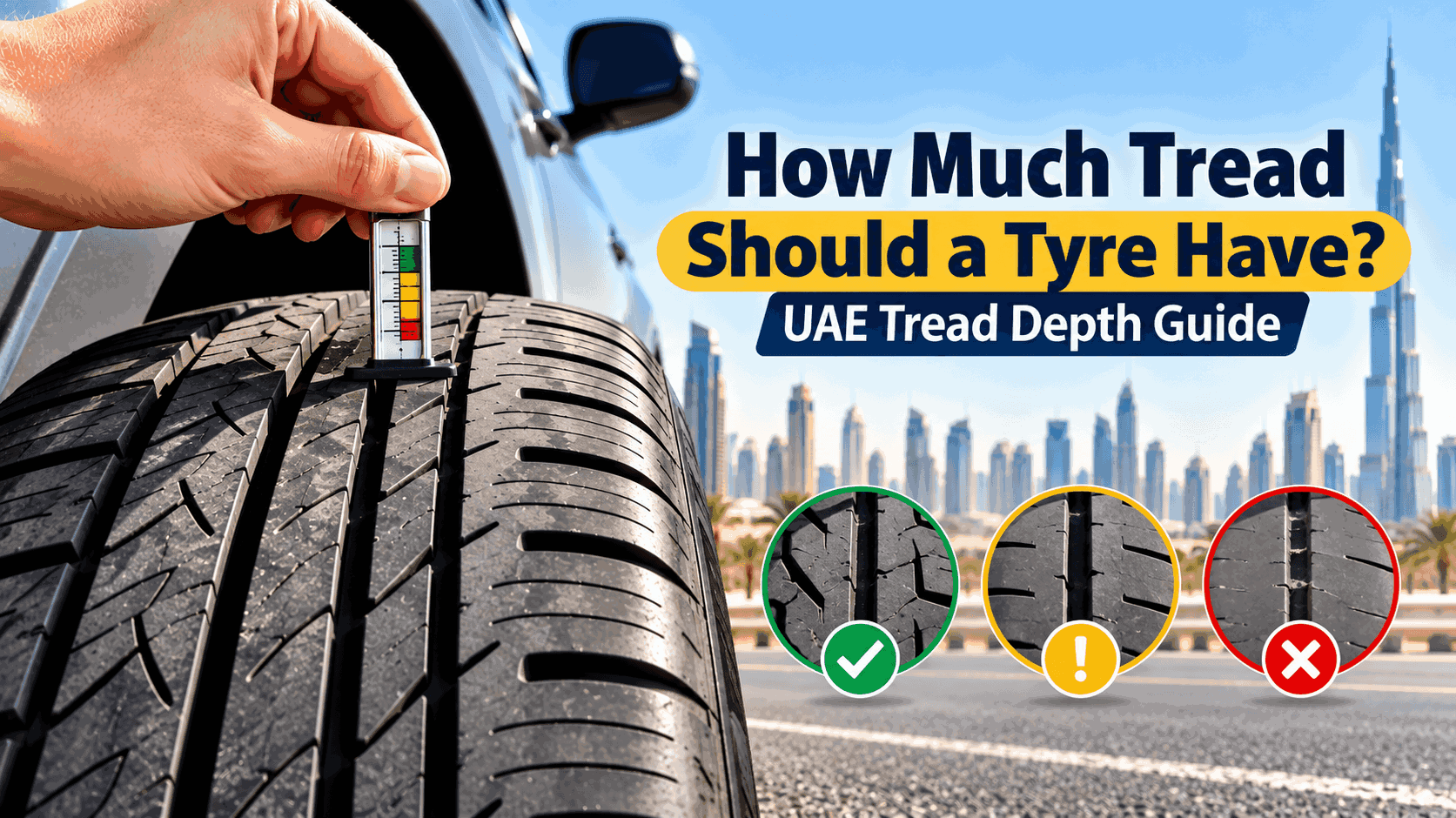
عمق المداس هو المؤشر الأكثر وضوحًا على تآكل الإطار. تُصنَّع إطارات الدراجات النارية بمؤشرات تآكل مدمجة، وهي عادةً أشرطة مرفوعة صغيرة تقع داخل الأخاديد. عندما يتآكل المداس المحيط بها حتى مستوى هذه المؤشرات، يكون الإطار قد وصل إلى حده القانوني الأدنى في معظم المناطق. الاستمرار في القيادة بعد هذه النقطة يقلل بشكل كبير من الإمساك بالطريق في الظروف الرطبة ويزيد من خطر الانزلاق المائي.
يضمن استخدام مقياس عمق المداس قياسات دقيقة تتجاوز التقدير البصري. صُمِّم نمط المداس بما يشمل التشريط بشكل خاص للحفاظ على أداء رقعة التلامس المثلى في الظروف الرطبة والجافة.
يضمن عمق المداس الكافي تصريفًا مناسبًا للمياه في الظروف الرطبة. مع اضيقاق الأخاديد، لا يمكن تشتيت الماء بكفاءة، مما يؤدي إلى تقليل التلامس بالطريق وعدم استقرار أداء الفرملة. على الطرق الجافة، يقلل المداس المتآكل من الإمساك الميكانيكي ويُضعف استقرار الانعطاف. يصبح هذا بالغ الأهمية خلال المناورات الطارئة أو سيناريوهات الفرملة، لا سيما في الدراجات المزوّدة بنظام ABS (نظام منع الانزلاق عند الفرملة) أو أنظمة التحكم في الجر التي تعتمد على تفاعل متوقع بين الإطار والطريق.
حتى لو بدا عمق المداس فوق الحد القانوني بهامش ضئيل، فقد يكون الأداء قد بدأ بالانخفاض بالفعل. يجب على السائقين الذين يقودون بشكل متكرر في مناخات رطبة أو بسرعات طريق سريع التفكير في استبدال الإطارات قبل الوصول إلى الحد الأدنى المطلق. يُعزِّز النهج الاستباقي السلامة ويحافظ على خصائص التعامل القابلة للتنبؤ ويحافظ على الاستقرار عند السرعات العالية.
أنماط التآكل غير المنتظم للإطار
كثيرًا ما يُشير التآكل غير المنتظم للإطار إلى مشكلات في المحاذاة أو ضغط النفخ غير الملائم أو عادات القيادة العدوانية. تشمل الأنماط الشائعة التحدب والتقلص والتآكل المركزي وتآكل الحافة. يوفر كل نمط نظرة ثاقبة على الأسباب الكامنة ويشير إلى ما إذا كان الاستبدال ضروريًا.
ينتج التآكل المركزي عادةً عن القيادة المطوّلة على الطريق السريع أو الإفراط في الضخ. عندما يتآكل مداس المنتصف بشكل أسرع من الجوانب، يفقد الإطار مقطعه المستدير، مما يقلل من إمساك الانعطاف ويؤثر على الاستقرار الجيروسكوبي. في المقابل، يمكن أن يحدث التآكل المفرط للحافة بسبب الانعطاف العدواني أو نقص الضخ، مما يُضعف الاستقرار أثناء القيادة المستقيمة.
يظهر التحدب أو التقلص كمنخفضات غير منتظمة على سطح المداس. يتطور هذا النمط في الغالب بسبب اختلال التوازن في نظام التعليق أو تآكل ممتصات الصدمات. تُنتج الإطارات المتحدبة اهتزازات وتغذية راجعة غير ثابتة من الطريق، مما يقلل من راحة السائق والتحكم. بمجرد أن يصبح التآكل غير المنتظم واضحًا، يكون استبدال الإطار في الغالب أكثر عملية من محاولة إجراء تعديلات تصحيحية.
يُغيِّر الضغط غير الملائم أيضًا مقاومة الدحرجة ويزيد من تراكم الحرارة ويشوّه رقعة التلامس المقصودة، مما يُعجِّل من التعب الهيكلي داخل الإطار.
الشقوق والجفاف وتلف الجدار الجانبي
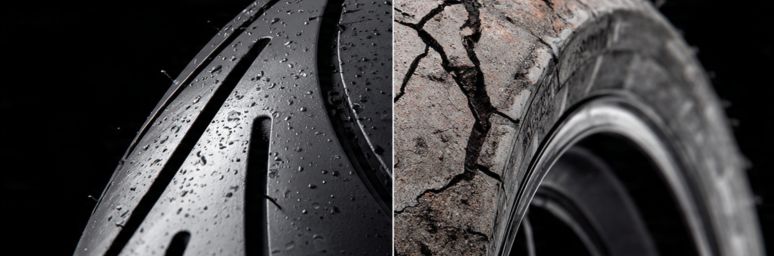
تتحلل الإطارات بمرور الوقت، حتى لو ظل عمق المداس كافيًا. يُفكِّك التعرض للأشعة فوق البنفسجية ودورات الحرارة والملوثات البيئية تدريجيًا المركبات المطاطية عن طريق الأكسدة. يظهر هذا التدهور على شكل شقوق صغيرة على طول الجدار الجانبي أو داخل أخاديد المداس، ويُعرَف عادةً بالجفاف.
كثيرًا ما تستخدم الإطارات الحديثة تقنية مركّب السيليكا لتعزيز الإمساك بالطريق الرطب والحفاظ على مرونة المركّب، لكن الشيخوخة تقلل حتمًا من المرونة. سلامة الجدار الجانبي بالغة الأهمية لأنه يحمل الحمولة ويمتص صدمات الطريق. تُضعف الشقوق المتانة الهيكلية وتزيد من احتمالية الانفجار تحت الضغط.
إضافةً إلى الشقوق، تشير النتوءات أو التشوهات على الجدار الجانبي إلى تلف هيكلي داخلي، وكثيرًا ما تكون ناجمة عن صدمات الحفر أو حطام الطريق. تُضعف هذه العيوب البنية الحزامية الداخلية وتستلزم الاستبدال الفوري. الاستمرار في القيادة على جدار جانبي تالف يزيد بشكل كبير من خطر الفشل المفاجئ للإطار.
الفقدان المتكرر لضغط الإطار
يُعدّ الفقدان المستمر للضغط علامة أخرى على أن الإطارات قد تحتاج إلى استبدال. تضمن المراقبة المنتظمة باستخدام مقياس ضغط الإطار قراءات دقيقة تتوافق مع توصيات الشركة المصنّعة الأصلية.
في حين أن تذبذبات الضغط الطفيفة تحدث بسبب تغيرات درجات الحرارة، فإن التفريغ المتكرر يُشير إلى ثقوب أو تسربات في منطقة الحافة أو مشكلات متعلقة بالصمام تستلزم استبدال ساق الصمام. يمكن في بعض الأحيان إصلاح الثقوب الصغيرة في الإطارات عديمة الأنابيب، لكن الإصلاحات المتعددة تُضعف المتانة الهيكلية.
إذا انخفض الضغط بسرعة أو بشكل متكرر رغم عدم وجود ثقب مرئي، فقد يكون الإطار تالفًا من الداخل. القيادة على إطارات منخفضة الضغط تُولِّد حرارة زائدة وتُعجِّل من التآكل وتقلل من كفاءة استهلاك الوقود بسبب زيادة مقاومة الدحرجة.
تراجع الإمساك وعدم استقرار التعامل
كثيرًا ما تُشير التغييرات في جودة الركوب إلى تدهور الإطار. قد يلاحظ السائقون تراجع الإمساك أثناء الانعطاف أو إطالة مسافات الفرملة أو استجابة توجيه مبهمة.
تتصلّب مركّبات المطاط مع التقدم في السن ودورات الحرارة المتكررة. مع انخفاض المرونة، يفقد الإطار قدرته على مطابقة ميكروتضاريس الطريق، مما يقلل من قوة الجر. يؤثر ذلك على الأداء في الظروف الرطبة وأثناء تغييرات الاتجاه السريعة.
قد يتجلى عدم استقرار التعامل على شكل تمايل عند السرعات العالية. وعلى الرغم من أن مشكلات نظام التعليق يمكن أن تُسهم في ذلك، فإن الإطارات المتدهورة كثيرًا ما تُعطل استقرار زاوية الميل وتُضعف الاتساق الذي تتطلبه أنظمة المساعدة الإلكترونية للسائق مثل ABS وأنظمة التحكم في الجر.
البقع المسطحة والمقطع المربّع
كثيرًا ما تُطوِّر الدراجات النارية المستخدمة أساسًا للتنقل اليومي بقعًا مسطحة على طول مركز الإطار الخلفي. مع استواء المقطع، تصبح تحولات التوجيه أثقل وأقل استجابة.
يُقلِّل الشكل المتغير من رقعة التلامس الفعالة أثناء تحولات الميل ويؤثر على التوازن الديناميكي. حتى لو ظل عمق المداس مقبولًا قانونيًا، فإن الشكل المتأثر يُضعف الأداء وثقة السائق.
عمر الإطار
عمر الإطار لا يقل أهمية عن عمق المداس. تُقلِّل الشيخوخة الكيميائية من المرونة وتزيد من الهشاشة. يشير رمز DOT المختوم على الجدار الجانبي إلى تاريخ التصنيع.
توصي الشركات المصنّعة والجهات المعنية بالسلامة باستبدال الإطارات بعد خمس إلى ست سنوات، حتى لو كانت تبدو سليمة بصريًا. بمرور الوقت، تضعف المواد الداخلية، مما يُضعف المتانة الهيكلية ويزيد من خطر الانفصال تحت الضغط.
الاهتزاز أو الإحساس غير المعتاد بالركوب
قد يُشير الاهتزاز المستمر بعد موازنة العجلات بشكل صحيح إلى انفصال داخلي في الإطار أو تلف في الهيكل.
يحدث الانفصال الداخلي عندما تنفصل الطبقات المتماسكة بسبب الإجهاد المطوّل أو العزم غير الملائم أثناء التركيب أو تلف الصدمات. يمكن أن يؤكد الفحص المهني وتقييم تركيب الإطار ما إذا كان الاستبدال مطلوبًا.
متى يجب استبدال كلا الإطارين معًا
صُمِّمت إطارات الدراجات النارية كمجموعات متطابقة لضمان الانسجام في الأداء. تؤثر الاختلافات في التآكل على توازن التوجيه وكفاءة الفرملة.
يضمن الرجوع إلى مواصفات الشركة المصنّعة التوافق من حيث تقييم الحمولة وتقييم السرعة ونوع البناء (شعاعي مقابل متحيز). يُحسِّن الاستبدال المتوازن الاستقرار العام والتحكم القابل للتنبؤ.
ممارسات الصيانة لإطالة عمر الإطار
تشمل الصيانة المناسبة الفحوصات الدورية للضغط باستخدام مقياس ضغط الإطار، وضبط نظام التعليق، وفحوصات المحاذاة، وتقليل القيادة العدوانية.
يجب أن تتضمن قائمة التحقق للفحص البصري المنظّم:
- شقوق الجدار الجانبي
- قياس عمق الأخاديد
- النتوءات أو التشوهات
- التآكل غير المنتظم
- حالة الصمام
يُقلِّل تخزين الدراجات النارية في بيئات مظللة من التعرض للأشعة فوق البنفسجية ويُبطئ من أكسدة المطاط.