







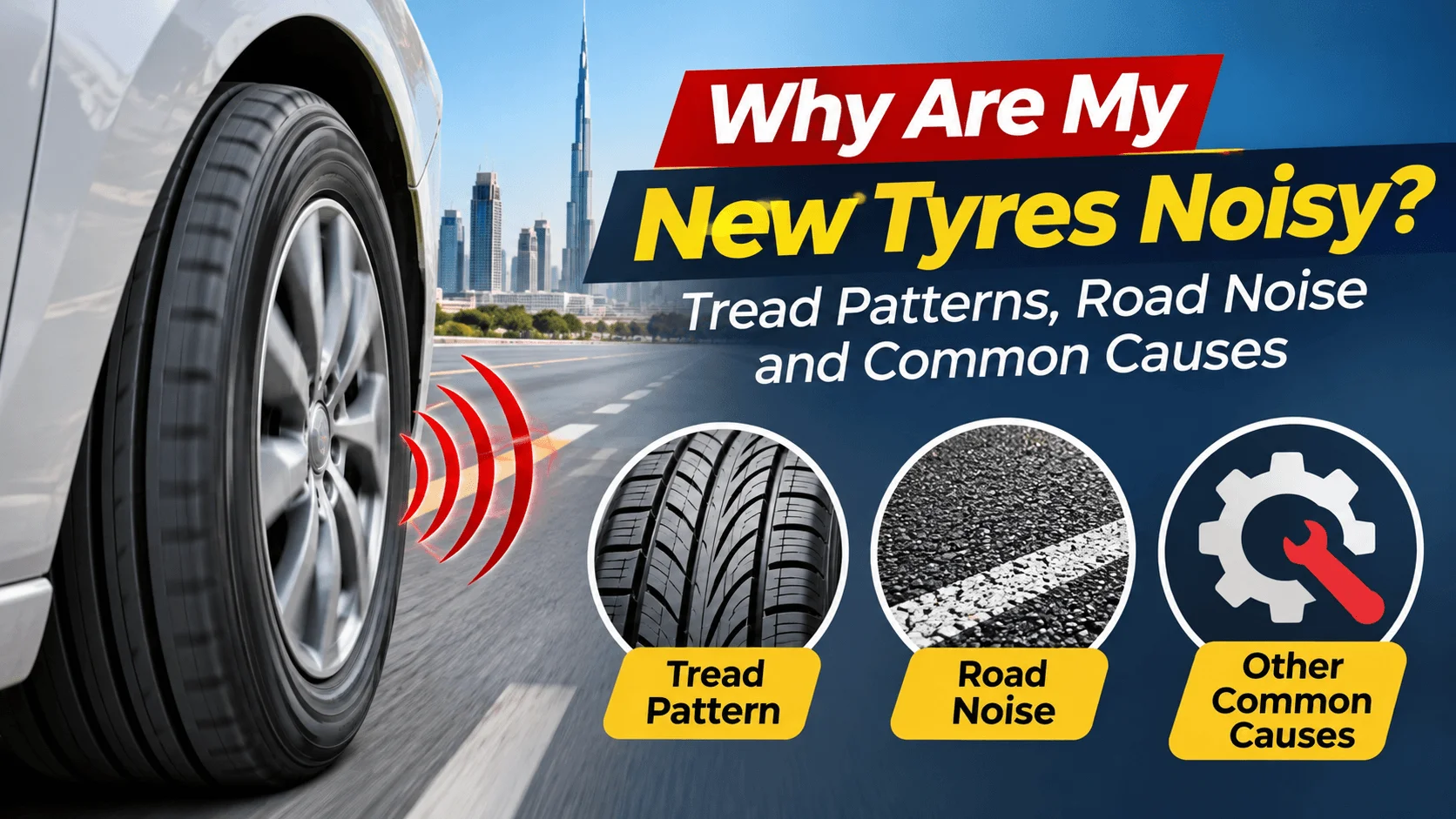
You’ve just had new tyres fitted, and the car sounds different. New tyres can be louder than you expect. The cause could be the tread pattern, the rubber compound, the road surface, or how the tyres work with your vehicle. A change in sound isn’t always a fault.
But constant humming, vibration, clicking, or sudden loud noises need a check. Once you know the cause, you can tell whether the noise is normal or whether the tyres need an inspection.
A quick glossary. Road noise is the sound tyres make as they roll over a surface. It includes vibrations and air moving around the tread. A tread pattern is the layout of grooves, blocks, and channels on the tyre’s surface. It’s designed to improve grip, clear water, and handling.
Why Do New Tyres Make More Noise?
New car tyres can sound different because their tread design and build differ from your last set. Did you switch from touring tyres to performance or all-terrain ones? You may hear more road noise even when everything is fitted correctly.
You might also notice the noise more because you’ve got used to the quiet of the old tyres. Or the new set may transmit road vibrations to the cabin differently. Michelin says tyre noise depends partly on tread-block design, road conditions, and the tyre's speed. Its guide to tyre noise and acoustic technology explains how blocks of different widths can cut repetitive noise.
A small change in sound can be normal. Get a professional to look if the noise is loud or getting worse, the car pulls to one side, you feel an odd vibration, or you can see damage.
How Does Tread Pattern Affect Tyre Noise?
The tread pattern shapes how air moves through the grooves and how the blocks meet the road. Different designs make different sound frequencies. That changes what you hear inside the cabin.
- All-Terrain Tyres: Bigger, more widely spaced blocks can be noisier on paved roads. They’re built for traction on varied surfaces. Quiet highway driving isn’t their only goal.
- Performance Tyres: Their build and tread focus on handling and grip. Depending on the model and road, you may hear a hum.
- Touring Tyres: Many are designed for ride comfort and lower road noise. Results still vary by model and vehicle.
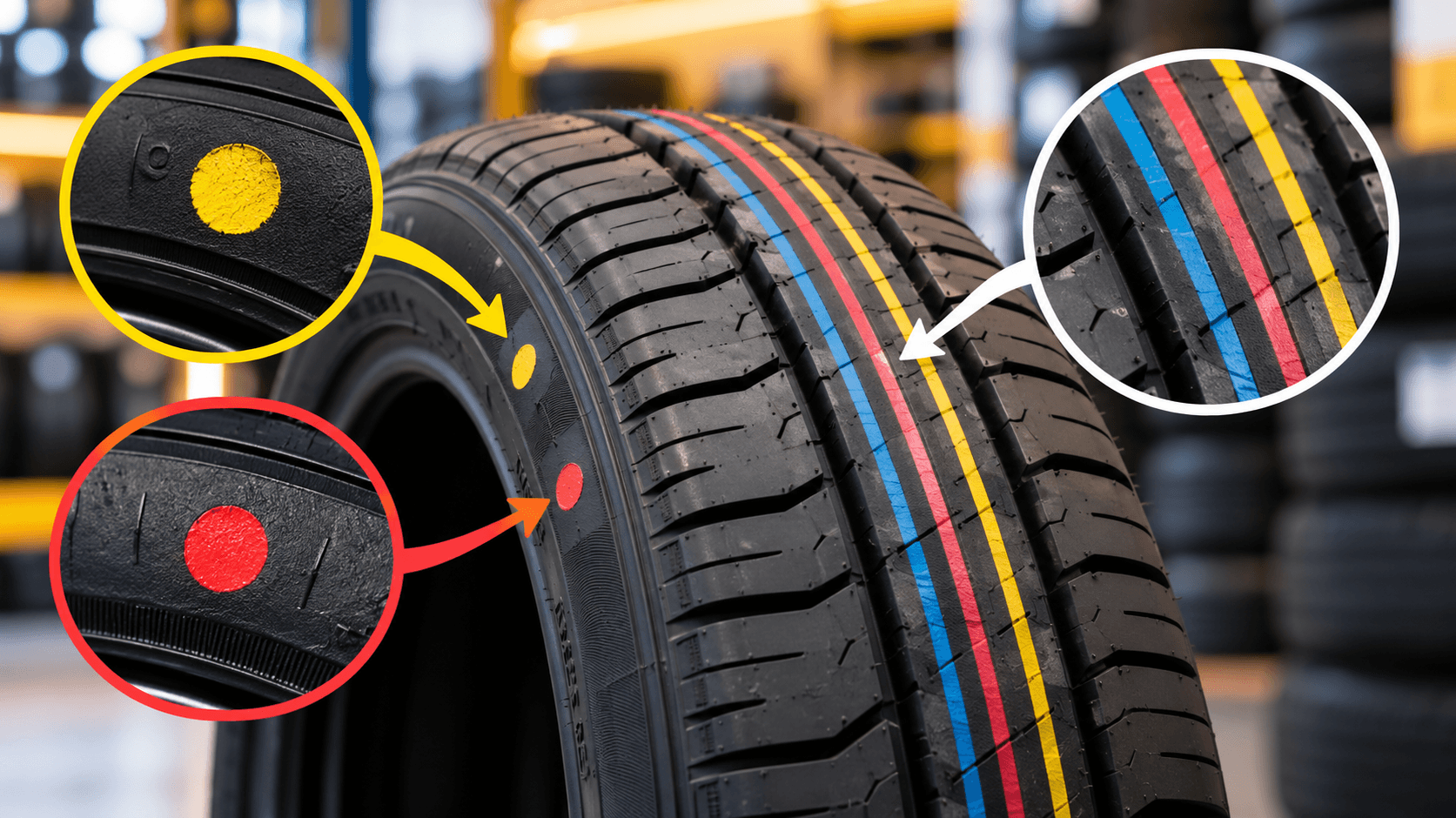
- Directional and Asymmetric Tyres: These patterns manage water clearance, handling, or other traits. Fit them the right way round, following the sidewall markings.
- An unbalanced wheel.
- Incorrect tyre orientation where directional or inside/outside markings apply.
- Incorrect wheel alignment or worn suspension.
- A tyre that’s unsuitable for the vehicle or wheel.
- Loose or damaged components around the wheel assembly.
A quieter tyre doesn’t have to be less safe. The best choice balances noise, grip, durability, and fit for your vehicle and driving.
Could Road Conditions or Tyre Pressure Be the Cause?
Yes. Even a well-designed tyre can sound louder on coarse asphalt, rough concrete, or uneven surfaces. Moving from a smooth highway to a rougher road can change the noise a lot.
Wrong inflation pressure also affects ride comfort, handling, and wear. Check when the tyres are cold. Use the figures your vehicle manufacturer gives, usually on the driver’s door placard or in the owner’s manual. The maximum printed on the tyre sidewall isn’t your normal target.
Does the noise come with steering vibration, uneven wear, or a change in handling? Have the wheels and tyres inspected. Balancing fixes uneven weight spread around the wheel-and-tyre unit. Alignment checks the wheel angles against the vehicle. They’re separate checks, and either might matter depending on your symptoms.
Can Incorrect Fitting Make New Tyres Noisy?
Yes. Poor installation, or a hidden wheel or suspension problem, can cause noise or vibration after a tyre change. Possible causes include:
A rhythmic click can mean a stone or another object is stuck in the tread. A deep hum or roar can have several causes. Tyre design, uneven wear, or a wheel bearing issue could be the cause. The sound alone can’t confirm the cause.
Did the noise start right after fitting? Contact the workshop. Tell them when it happens. It might be at certain speeds, while turning, or on certain roads. Don’t assume the tyres are faulty before you've checked the vehicle.
When Should You Get Noisy New Tyres Checked?
Book an inspection if the noise is unusually loud, grows fast, or comes with vibration, steering changes, pulling, visible damage, or a tyre-pressure warning. A sudden change in sound can point to a problem that needs quick attention.
See a bulge, exposed cords, or other serious damage? Stop driving as soon as it’s safe, and get professional help. Don’t keep driving on a tyre that may be structurally damaged.
A tyre specialist can inspect the tread, pressure, fitment, and wheel balance. They can also tell you whether you need alignment, suspension, or wheel-bearing checks. If the tyres are fitted correctly and suit the vehicle, the sound may just come from their design and the roads you drive on.
Conclusion
Noisier tyres than you expected? Finding the cause is the first step toward a quieter, more comfortable drive. Choose tyres that suit your vehicle and driving habits. Make sure they’re fitted correctly. Address unusual vibration or sudden changes in sound quickly.
TyresCart makes it easier to compare car tyres through its online tyre shop. You can pick an installer and a fitting appointment through its partner network. Need a replacement, or want to find a fitting location? Compare the options before you book. Check the website for the latest Special Offer and its terms.