
Choosing the right tyre isn’t just about size or brand. One of the most important—but least understood—factors is tyre compound.
Tyre compound determines grip, heat resistance, and how fast a tyre wears. This matters even more in hot climates like the UAE, where road temperatures and driving conditions can destroy the wrong compound quickly.
TyresCart will guide through below topic:
- What soft, medium, and hard tyre compounds really mean
- When to use each compound on street roads vs racing tracks
- Which compounds work best in desert heat
- How to balance grip vs tyre life?
What Is a Tyre Compound?
A tyre compound refers to the rubber mixture used in the tread. Manufacturers adjust:
- Rubber hardness
- Silica and carbon content
- Heat-resistant additives
These changes directly affect:
- Grip level
- Heat tolerance
- Wear rate
Softer rubber = more grip, faster wear
Harder rubber = less grip, longer life
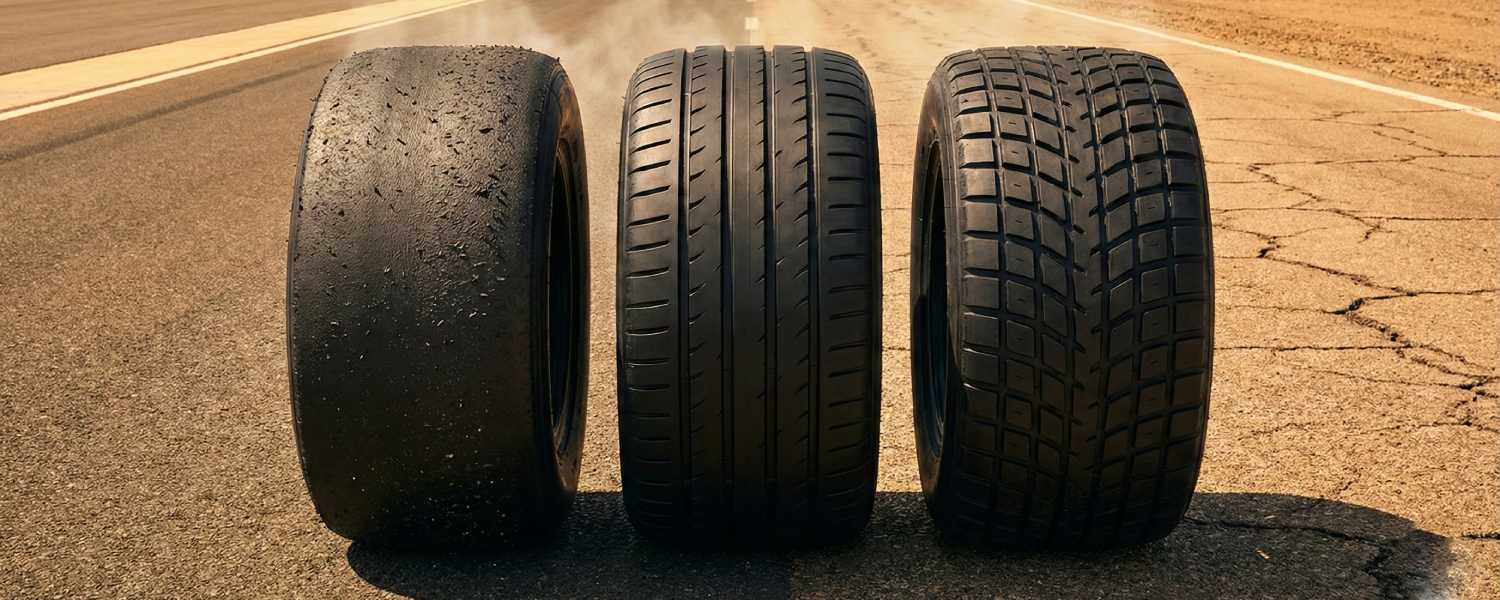
The Three Main Tyre Compounds Explained
1. Soft Tyre Compound
Soft tyres are designed for maximum grip.
Characteristics
- Very high traction
- Excellent braking and cornering
- Heats up quickly
- Wears out fast
Best Use Cases
- Racing circuits
- Track days
- Cool to moderate climates
- Short, aggressive drives
UAE Reality
In UAE heat, soft tyres:
- Overheat quickly
- Lose tread rapidly
- May blister or chunk
Not ideal for daily driving in hot climates.
2. Medium Tyre Compound (The All-Rounder)
Medium compound tyres balance grip and durability.
Characteristics
- Good grip
- Moderate wear rate
- Better heat resistance than soft tyres
- Stable for daily use
Best Use Cases
- Daily street driving
- Occasional spirited driving
- Mixed highway and city use
- Hot climates like the UAE
This is the most practical choice for most UAE drivers.
3. Hard Tyre Compound
Hard tyres prioritize durability over grip.
Characteristics
- Lower traction
- Very high heat resistance
- Long lifespan
- Slower warm-up
Best Use Cases
- High-temperature roads
- Long highway drives
- Commercial vehicles
- Drivers focused on mileage
UAE Reality
Hard compounds:
- Handle extreme heat well
- Last longer on coarse desert asphalt
- Sacrifice some braking and corner grip
Tyre Compound Comparison Table (Grip vs Wear vs Heat)
| Tyre Compound | Grip Level | Wear Rate | Heat Resistance | Best For |
|---|---|---|---|---|
| Soft | ⭐⭐⭐⭐⭐ | ⭐ | ⭐⭐ | Track days, racing |
| Medium | ⭐⭐⭐⭐ | ⭐⭐⭐ | ⭐⭐⭐⭐ | Daily driving, UAE roads |
| Hard | ⭐⭐ | ⭐⭐⭐⭐⭐ | ⭐⭐⭐⭐⭐ | Long life, hot highways |
Street vs Track: Which Compound Should You Use?
For Daily Street Driving (UAE)
Recommended: Medium or Hard compound
Why?
- High road temperatures
- Long driving distances
- Abrasive asphalt
- Need for durability
Soft tyres wear out too quickly and cost more long-term.
For Track Driving
Recommended: Soft or Medium compound (depending on heat)
- Soft tyres = maximum lap-time grip
- Medium tyres = better consistency in hot conditions
On UAE tracks, many drivers switch from soft to medium compounds to avoid overheating.
How Heat Changes Tyre Compound Behaviour?
Heat + Soft Rubber
- Rubber becomes too soft
- Excessive deformation
- Rapid tread loss
Heat + Hard Rubber
- Rubber stays stable
- Lower grip but consistent
- Safer for long drives
This is why tyres that work well in Europe often fail faster in the Middle East.
Common Tyre Compound Mistakes in Hot Climates
- Choosing racing tyres for daily driving
- Ignoring heat ratings
- Assuming higher grip always means better safety
- Not adjusting driving style in summer
Practical Tips for Choosing the Right Compound
- Daily UAE driving → Medium compound
- High-mileage highway use → Hard compound
- Track days only → Soft or Medium
- Mixed use → Medium compound
- Always match compound with correct tyre pressure
Key Takeaway
There is no “best” tyre compound for everyone.
- Soft tyres give maximum grip but wear fast—best for tracks
- Medium tyres offer the best balance—ideal for UAE daily driving
- Hard tyres last longest—perfect for heat and highways
Choosing the right compound saves money, improves safety, and extends tyre life—especially in hot desert environments.