

Choosing the right car tyres is essential for your vehicle’s safety and comfort. But have you ever wondered how high-quality tyres are made and what the average life of a standard tyre is?
Let's take a quick journey through tyres' origins and explore nine incredible facts about car tyres that will increase your knowledge about good tyres and help you choose the right one for your car.
Who Invented The First Car Tyre?
Robert William Thompson holds the first patent for a pneumatic (air-filled) tire. His tyre design included a hollow rubber tube filled with air. However, these primitive tires were inefficient and not commercially successful.
Then in 1888 John Boyd Dunlop developed the first practical pneumatic tyre to provide a smoother ride for his son's tricycle. His design became popular for bicycles and eventually for automobiles.
In 1946, Michelin’s radial tyre innovation further contributed to the development of the modern car tire we see today in the automotive industry.
Discover 9 Little-Known Facts About Car Tyres
Car tyre design and features have evolved through multiple innovations. Here are some incredible facts about car tyres:
1. The Average Tyre Life Is 60000 Miles
A tire's expected lifespan is around 60,000 miles. However, tire life can vary widely depending on factors such as tire quality, vehicle maintenance, driving conditions, and driving habits.
Many experts recommend practicing proper tire care, like regular tyre rotation and alignment, to extend tyres life. Some premium tires like from Online Tyre Shop Dubai can exceed this mileage, while others tyres might need replacement sooner.
2. Tyres Are Made From Over 200 Materials
Modern tires are constructed from a mix of different materials. Beyond rubber, they also include steel, carbon black, sulfur, oils, resins, and various other chemicals and additives.
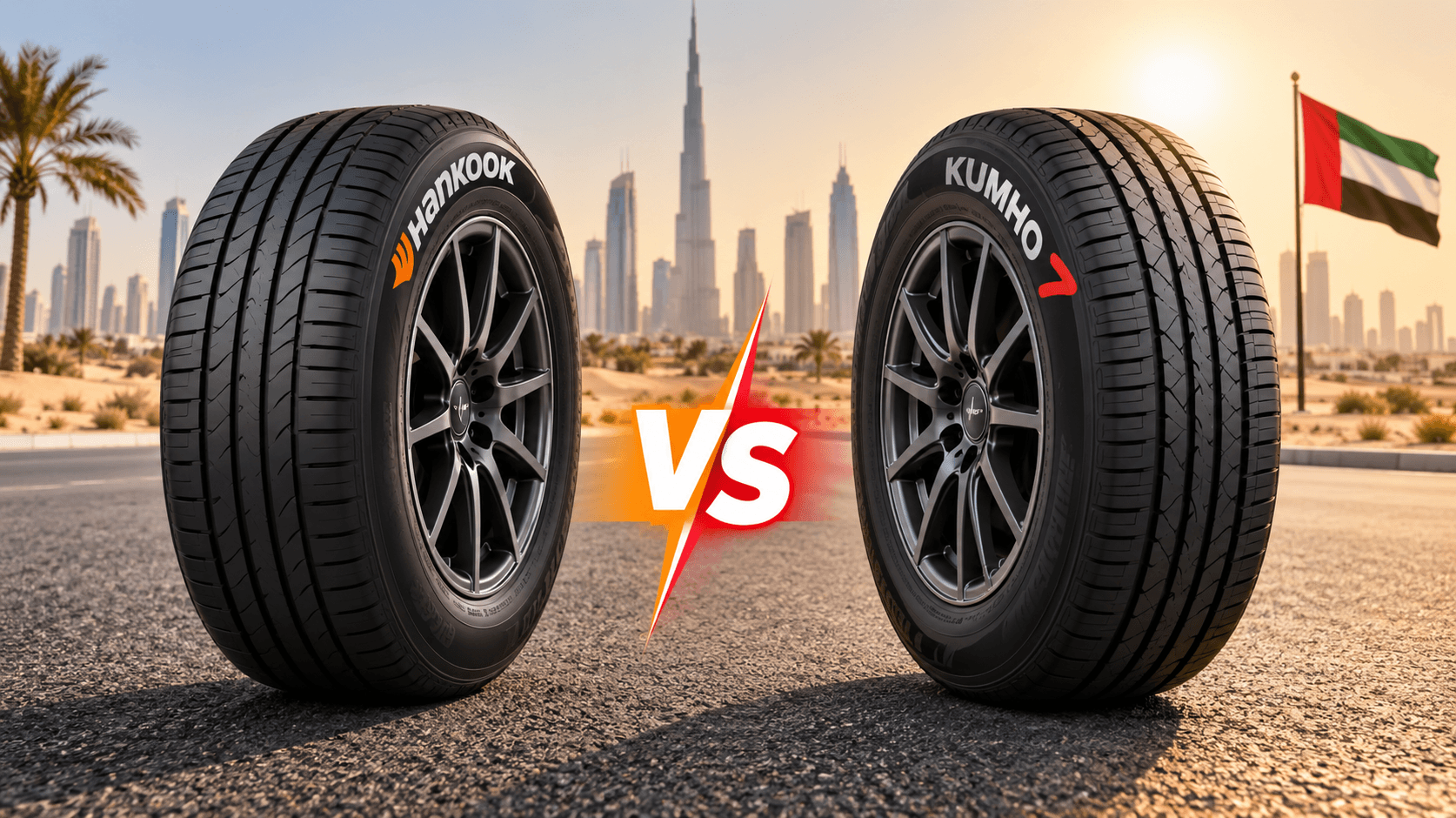
High-quality tires, such as Michelin’s tyres Primacy Series and Kumho Tyres’s Solus Series are available in Tire Shops in Dubai. These quality tyres contain a balanced mix of these materials to ensure optimal performance and long-term durability.
3. Run-Flat Tyres Let Your Drive After Punctures
Run-flat tires are a type of tyre that allows you to continue driving for around 50 miles even after a puncture. You can drive these tires at a reduced speed of up to 50 mph.
Many top tyre brands, such as Michelin, Goodyear, and Bridgestone, have developed run-flat tyres with the latest technologies. TyresCart offers tyres from these brands at the best Tyre Price in Abu Dhabi.
4. Tyre Tread Patterns And Minimum Tread Depth
Tire tread patterns directly impact your vehicle’s performance as they are the primary point of contact with the road surface.
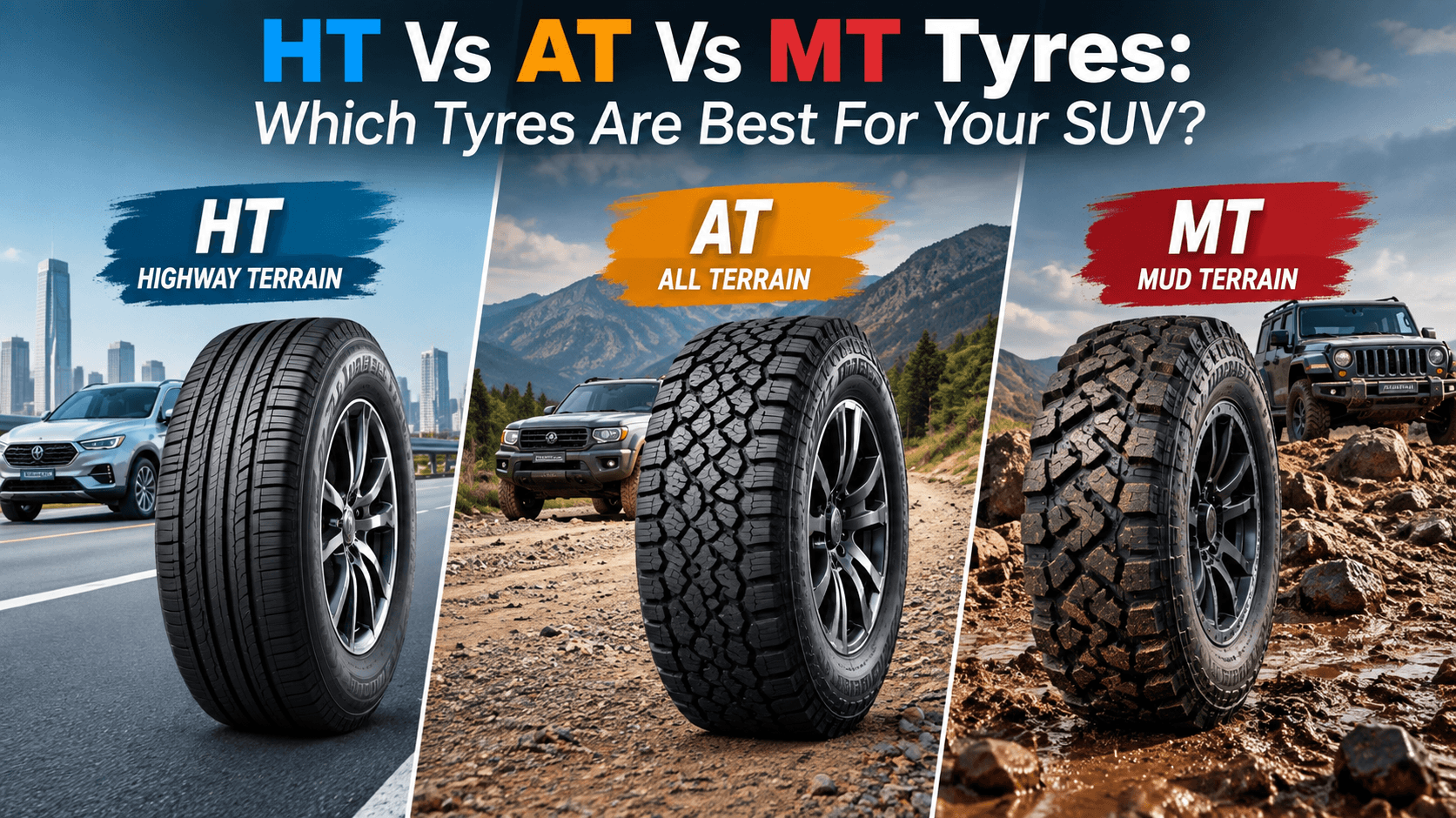
For car tyres, symmetrical tyre tread patterns are most suitable as they offer low rolling resistance and enhanced drip on dry roads. Also, the minimum recommended tyre tread depth ranges between 4 and 8 mm, with legal requirements varying by region.
5. Regular Tyre Rotation Extends Tyre Life
The front tires of the car typically wear out faster as they handle the steering, braking, and most of the engine's weight. Therefore many vehicle and tire manufacturers recommend regular tire rotation to promote even tread wear.
To maintain even tread depth and extend the life of your tires, rotate all your vehicle tyres every 5,000 to 8,000 miles or as recommended by the manufacturer.
6. Tyre Pressure Influences Fuel Efficiency
Proper-pressure tyres have the right balance between rolling resistance and traction. This helps ensure that the engine isn't working harder than it should, contributing to optimal fuel efficiency.
Many experts recommend to check tire pressure at least once a month. If you're unsure about your tire pressure, refer to your vehicle's manual or the sticker on the driver's side door frame for the manufacturer's recommended tire pressure.
7. Temperature Also Affects Tyre Performance
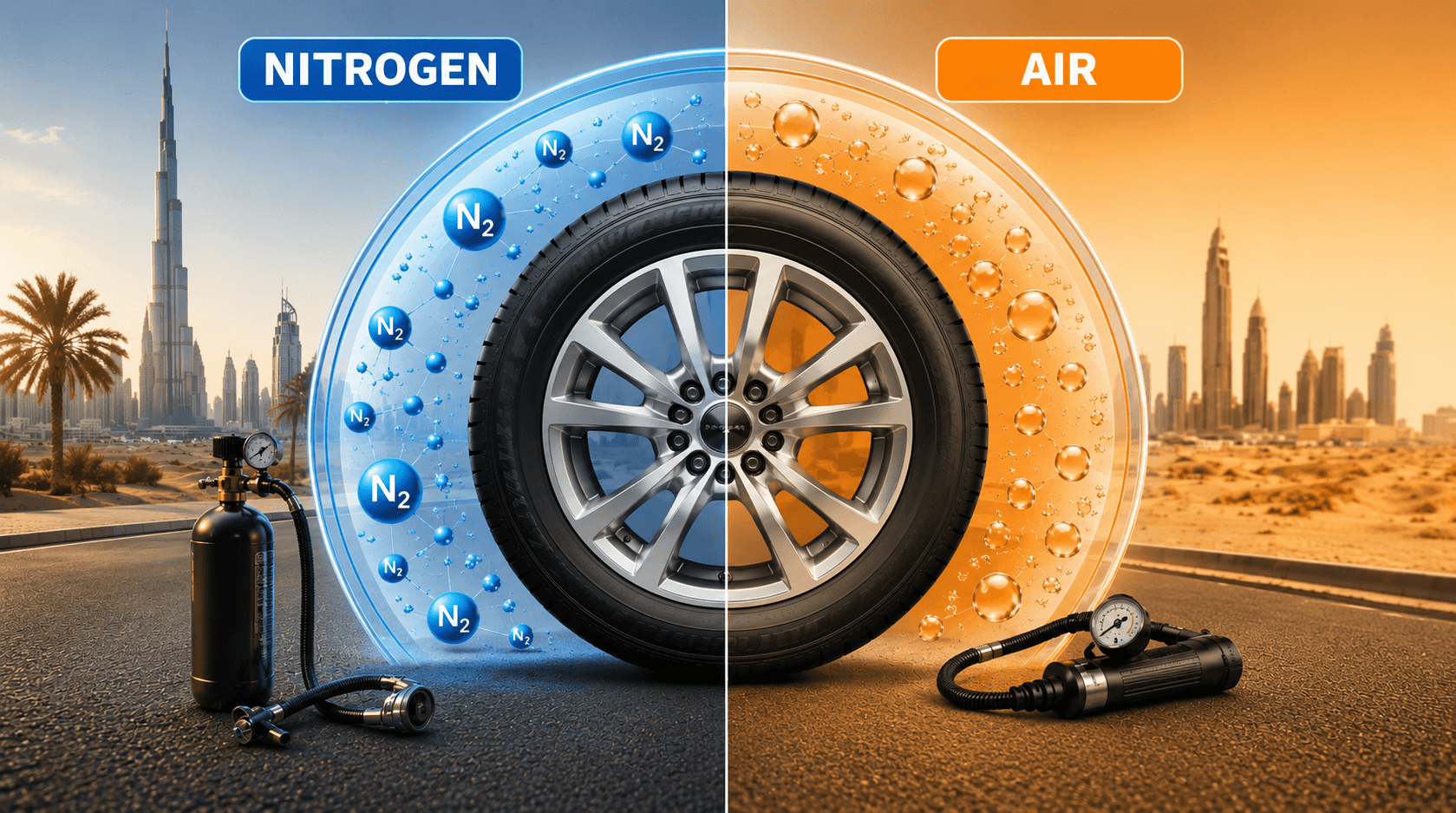
Rubber compounds in tires respond to temperature variations. Therefore tyre pressure is directly influenced by temperature. This fluctuation in pressure affects handling, fuel efficiency, and tyre performance in the long run.
Since high temperatures in regions like Dubai can accelerate tyre wear, it's essential to select high-quality tyres suitable for your region's climate and driving conditions to ensure optimal performance.
8. Endurance And Weight Specifics
While standard car tires can withstand approximately 2,000 pounds of force, supporting the weight of the car and its occupants, they mostly weigh between 10 and 15 kg range.
Balancing endurance and weight specifics is critical when choosing tyres. You must consider your vehicle's type, typical usage, and load requirements to ensure your tyres can support your vehicle's weight safely and efficiently.
9. Today, Technology Is Making Tyres Smarter
Many modern tires feature built-in wear indicators- small rubber bars embedded in the tread that become visible when the tire is worn down to a certain level.
Moreover, Tyre Pressure Monitoring Systems (TPMS) are also becoming standard in many vehicles. These systems use sensors to monitor tire pressure and alert drivers when it's too low, helping to prevent issues related to underinflation.
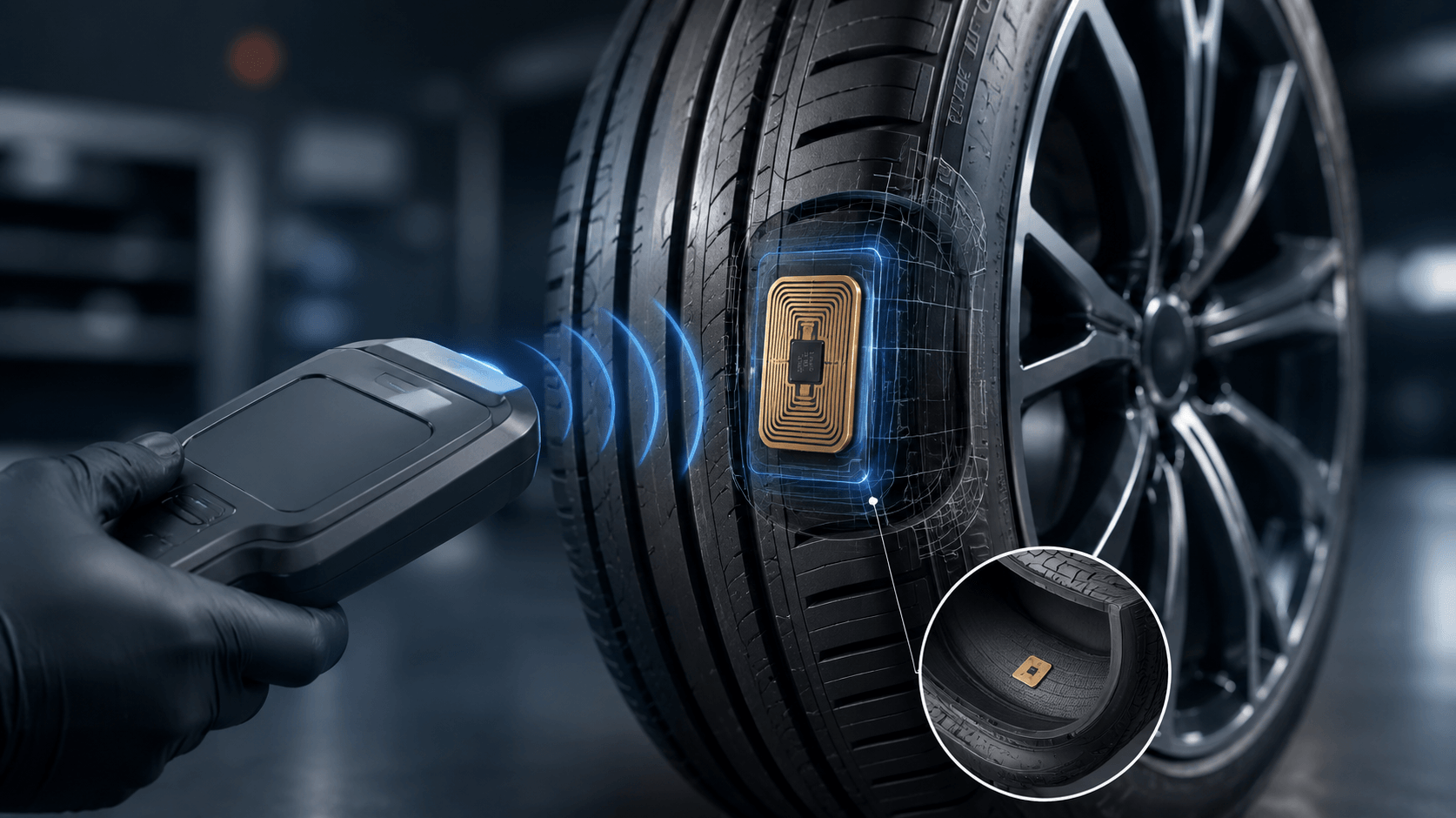
Some high-tech tyres are even being developed with embedded sensors to monitor wear, temperature, and other factors in real-time.
How You Can Choose The Right Tyres For Your Car?
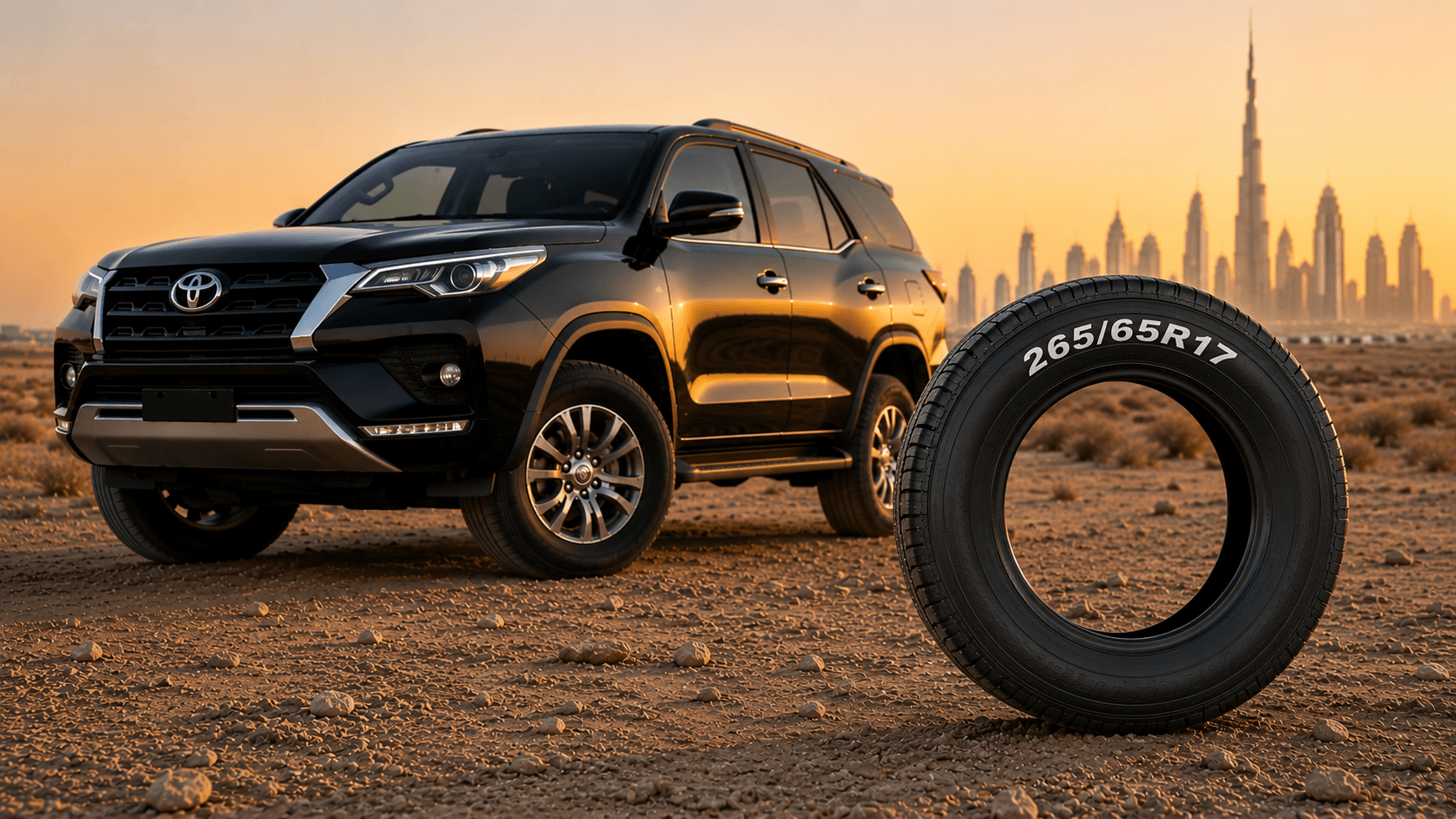
To ensure you get the best tyres for your specific needs, first, understand your vehicle’s requirements and then consider your driving and weather conditions. You can compare tires based on these factors:
- Tyre Size, Load index and speed ratings
- Quality and brand
- Fuel efficiency
- Guarantee and Warranty
- Performance features and reviews
Find Exciting Deals For Quality Tyres at TyresCart
We hope you gained important input about car tyres from this blog. When choosing tyres for a hot region like Dubai, you must choose tyres that can endure extreme temperatures. High-quality tyres can withstand heat and provide you with a safer driving experience.
If you're looking for exciting deals on the best tyres, TyresCart is a great place to start. Here, you can explore a wide range of tyres for various types of vehicles, including cars, SUVs, and trucks.