







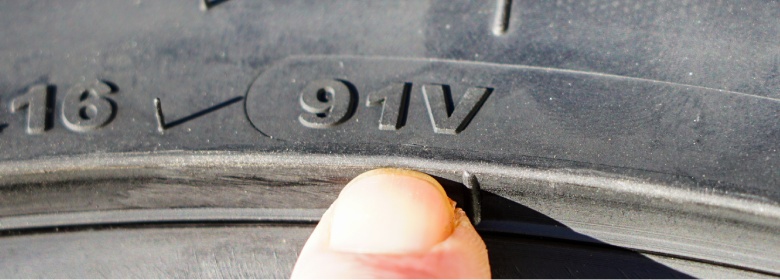
عند تغيير إطاراتك في الإمارات، من السهل جدًا التركيز على ماركات الإطارات أو أنماط النقش أو عروض الإطارات. غير أن Load Index ومعدل السرعة هما رمزان كثيرًا ما يُغفلهما الناس، لكنهما الأهم للسلامة، ويقعان على الجدار الجانبي لكل إطار. تحدد هذه الأرقام مقدار الوزن الذي يمكن للإطار حمله والسرعة التي يمكن استخدامه عندها بأمان، ومن ثَمّ فهما من أكثر العوامل ضرورةً عند القيادة في الإمارات التي تتسم بالحرارة الشديدة والطرق السريعة.
لن يستغرق التعرف على Load Index ومعدلات السرعة سوى دقائق قليلة، لكنه قد يوفر لك المال ويُحسّن أداء سيارتك والأهم من ذلك يحافظ على سلامتك. إليك كل ما تحتاج لفهمه، مشروحًا بأسلوب سهل القراءة وعملي لسائقي الإمارات.
ما هو Load Index للإطار؟
Load Index هو رقم يُشير إلى مقدار الوزن الذي يمكن للإطار حمله عند ضخّه بشكل أمثل. وهي معلومة ستجدها في الغالب مباشرةً بعد حجم الإطار.
مثال:
- 245/45 R18 100Y
حيث 100 هو Load Index.
كلما ارتفع الرقم، زاد الوزن الذي يستطيع الإطار حمله. بات هذا بالغ الأهمية في الإمارات حيث معظم المركبات من طراز SUV أو ذات 7 مقاعد أو crossover، وهي المركبات التي تحمل ركابًا وأمتعةً في العادة وأحيانًا معدات ثقيلة.
أسباب أهمية Load Index في ظروف الإمارات:
- يمكن أن تصل درجات حرارة الطريق في الإمارات إلى 60 درجة مئوية.
- تُسبّب الرحلات الطويلة بين الإمارات المختلفة ضغطًا مستمرًا على المركبة.
- تتطلب السيارات العاملة بطاقتها الكاملة إطارات بقوة أعلى لتوفير الدعم اللازم.
- تُولّد الإطارات المُثقَلة بالحمولة حرارةً زائدة ← وهذا العامل الرئيسي للانفجار.
الإطار الذي يكون Load Index فيه أقل مما هو موصى به لن يصمد طويلاً في مناخ الإمارات.
جدول Load Index
| مؤشر الحمولة | كجم | مؤشر الحمولة | كجم | مؤشر الحمولة | كجم | مؤشر الحمولة | كجم |
|---|---|---|---|---|---|---|---|
| 50 | 190 | 70 | 335 | 90 | 600 | 110 | 1060 |
| 51 | 195 | 71 | 345 | 91 | 615 | 111 | 1090 |
| 52 | 200 | 72 | 355 | 92 | 630 | 112 | 1120 |
| 53 | 206 | 73 | 365 | 93 | 650 | 113 | 1150 |
| 54 | 212 | 74 | 375 | 94 | 670 | 114 | 1180 |
| 55 | 218 | 75 | 387 | 95 | 690 | 115 | 1215 |
| 56 | 224 | 76 | 400 | 96 | 710 | 116 | 1250 |
| 57 | 230 | 77 | 412 | 97 | 730 | 117 | 1285 |
| 58 | 236 | 78 | 425 | 98 | 750 | 118 | 1320 |
| 59 | 243 | 79 | 437 | 99 | 775 | 119 | 1360 |
| 60 | 250 | 80 | 450 | 100 | 800 | 120 | 1400 |
| 61 | 257 | 81 | 462 | 101 | 825 | 121 | 1450 |
| 62 | 265 | 82 | 475 | 102 | 850 | 122 | 1500 |
| 63 | 272 | 83 | 487 | 103 | 875 | 123 | 1550 |
| 64 | 280 | 84 | 500 | 104 | 900 | 124 | 1600 |
| 65 | 290 | 85 | 515 | 105 | 925 | 125 | 1650 |
| 66 | 300 | 86 | 530 | 106 | 950 | 126 | 1700 |
| 67 | 307 | 87 | 545 | 107 | 975 | 127 | 1750 |
| 68 | 315 | 88 | 560 | 108 | 1000 | 128 | 1800 |
| 69 | 325 | 89 | 580 | 109 | 1030 | 129 | 1850 |
| 130 | 1900 | 140 | 2500 | 150 | 3350 | 160 | 4500 |
| 131 | 1950 | 141 | 2575 | 151 | 3450 | 161 | 4625 |
| 132 | 2000 | 142 | 2650 | 152 | 3550 | 162 | 4750 |
| 133 | 2060 | 143 | 2725 | 153 | 3650 | 163 | 4875 |
| 134 | 2120 | 144 | 2800 | 154 | 3750 | 164 | 5000 |
| 135 | 2180 | 145 | 2900 | 155 | 3875 | 165 | 5150 |
| 136 | 2240 | 146 | 3000 | 156 | 4000 | 166 | 5300 |
| 137 | 2300 | 147 | 3075 | 157 | 4125 | 167 | 5450 |
| 138 | 2360 | 148 | 3150 | 158 | 4250 | 168 | 5600 |
| 139 | 2430 | 149 | 3250 | 159 | 4375 | 169 | 5800 |
فهم معدل سرعة الإطار
يُحدد معدل السرعة الحد الأقصى للسرعة التي يمكن استخدام إطارك عندها بأمان تحت الحمل. يُشار إليه بحرف بجانب Load Index.
على سبيل المثال:
245/45 R18 100Y ← Y تعني معدل السرعة.
جدول معدل السرعة
| معدل السرعة | كم/ساعة |
|---|---|
| L | 120 |
| M | 130 |
| N | 140 |
| P | 150 |
| Q | 160 |
| S | 180 |
| T | 190 |
| U | 200 |
| H | 210 |
| V | 240 |
| W | 270 |
| Y | 300 |
| Z | 240+ |
لماذا يهم Load Index ومعدل السرعة في الإمارات
مجرد تركيب إطار بمعدل سرعة أقل يمكن أن يُفضي إلى ارتفاع حرارته والتلف في نهاية المطاف حتى لو لم تكن تقود بسرعة. طرق الإمارات تُتيح سرعات إبحار أعلى، ومن ثَمَّ ترتفع الحرارة المتولدة في الإطارات بسرعة كبيرة.
الإطارات عالية الأداء: تقييمات W و Y و (Y)
معظم المركبات في Dubai و Abu Dhabi كـ BMW M-series و AMG و Porsche و Range Rover مزوّدة بإطارات ذات تقييم W أو Y أو (Y).
توفر هذه الإطارات:
- مواد مطاط أكثر متانة
- مقاومة محسّنة للحرارة
- قدرة انعطاف أفضل
- استخدام عالي السرعة بأمان أكبر
إذا كانت سيارتك مزوّدة أصلاً بهذه التقييمات، احتفظ بها كما هي.
كيف تفهم Load Index ومعدل السرعة بسهولة
من أين تحصل على الأرقام الصحيحة:
- من الجدار الجانبي للإطار
- على الملصق داخل باب السائق
- في دليل سيارتك
- أو ببساطة اسأل خبير TyresCart
الرقمان معًا يُشكّلان وصف الخدمة (Service Description) للإطار، ويجب أن يتطابقا مع مواصفات سيارتك.
الأخطاء التي ينبغي على السائقين تجنبها
فيما يلي بعض الأخطاء الأكثر شيوعًا في الإمارات:
-
استخدام load index أقل مما هو موصى به
هذا الأمر بالغ الخطورة بالنسبة لـ SUV والسيارات ذات 7 مقاعد تحديدًا.
-
تخفيض معدل السرعة لتوفير التكلفة
كلما انخفض معدل السرعة، كلما ارتفعت حرارة الإطارات بشكل أسرع في صيف الإمارات الحار.
-
خلط load index أو معدلات سرعة مختلفة
هذا لن يُفضي فقط إلى تدهور التوجيه والكبح، بل سيزيد من تآكل الإطارات أيضًا.
-
تجاهل استخدام المركبة
إن كنت مسافرًا متكررًا بين الإمارات أو تحمّل مركبتك أشياءً ثقيلة في الغالب، فمن الأفضل اختيار load index أعلى.
لماذا يُحدث اختيار التقييمات الصحيحة فارقًا كبيرًا
ستُحقق load index ومعدل السرعة الصحيحان:
- المساعدة في إبقاء درجة حرارة إطارك في مستوى آمن
- جعل المركبة أكثر ثباتًا وأمانًا
- تقليل خطر انفجار الإطار بشكل ملحوظ
- تحسين أداء الكبح
- زيادة العمر الافتراضي للإطارات
- الحفاظ على أجزاء نظام التعليق في حالة جيدة
في مناخ حار كمناخ الإمارات، تعتمد سلامتك إلى حد كبير على هذين الرمزين الصغيرين.
خاتمة
إطاراتك هي ما يربط مركبتك بالطريق، ولا ينبغي أن تتخذ قرار اختيار الإطارات المناسبة باستخفاف. معرفة ما هو Load Index ومعدل السرعة ستُمكّنك من اتخاذ خيارات صحيحة وآمنة عند شراء الإطارات أونلاين في الإمارات. في TyresCart، نحافظ على سلامتك بمطابقة الإطارات مع الاحتياجات الدقيقة لمركبتك، لتقود بطمأنينة في Dubai أو Abu Dhabi أو Sharjah أو في أي مكان بالإمارات.
```html id="faq-load-index-speed-rating"