
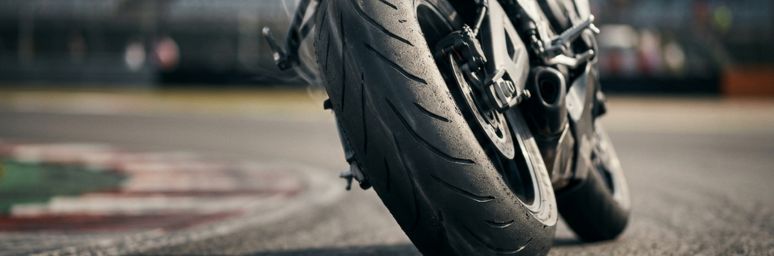
يتأثر أداء الدراجة النارية وسلامتها وعمر الإطار تأثيرًا مباشرًا بدرجة حرارة الإطار. وخلافًا لكثير من مكونات المركبة الأخرى، تعمل إطارات الدراجات النارية ضمن نطاق درجة حرارة تشغيل محدد يُحدد مدى فاعليتها في توليد الجذب والحفاظ على متانة الهيكل والاستجابة لقوى الفرملة والتحويل. سواء كنت تقود في حركة المرور الحضرية أو على الطرق السريعة أو في أقسام التحويل العدوانية، فإن الحفاظ على درجة حرارة الإطار المثلى ضروري للتعامل المتوقع وسلامة السائق.
تؤثر درجة حرارة الإطار أيضًا على الجذب الديناميكي ومقاومة الدحرجة rolling resistance والتوازن الحراري الكلي داخل هيكل الإطار. عند تذبذب درجة الحرارة خارج الحدود المُهندَسة يمكن أن يبدأ التدهور الحراري للمواد المطاطية مما يؤثر تدريجيًا في أداء المركّب واستقرار الدراجة النارية الكلي.
يشرح هذا المقال كيف تؤثر درجة حرارة الإطار في أداء الدراجة النارية، وكيف تتولد الحرارة، وكيف تستجيب مركّبات الإطار لتغيرات درجة الحرارة، وكيف يمكن للسائقين إدارة درجة حرارة الإطار لقيادة أكثر أمانًا وكفاءة مع تحسين تحسين أداء القيادة الكلي.
فهم أهمية درجة حرارة الإطار في الدراجات النارية ودوره وأدائه
تشير درجة حرارة الإطار إلى مستوى الحرارة الداخلية والسطحية لإطار الدراجة النارية أثناء التشغيل. من المهم التمييز بين درجة الحرارة السطحية ودرجة الحرارة الجوهرية إذ يؤثر كلاهما في خصائص الجذب بشكل مختلف. مع دوران الإطار وتشوهه تحت الحمل يُولّد حرارةً من خلال الاحتكاك بسطح الطريق والانعطاف الداخلي لهيكل الإطار.
يُساهم الهيكل الداخلي بما يشمل صلابة هيكل الإطار في مدى كفاءة امتصاص الحرارة وتوزيعها. تستخدم كثير من إطارات الدراجات النارية الحديثة بناء الإطار الشعاعي radial tyre construction مما يُتيح مرونةً محسّنةً وإدارةً أفضل للحرارة أثناء القيادة المستمرة. تُهندَس إطارات الدراجات النارية بمعلمات load index ومعدل سرعة محددة تُحدد حدود التشغيل الآمنة في ظروف حرارية متنوعة.
ضمن النافذة الحرارية المُصمَّمة يُقدّم مركّب المطاط جذبًا وثباتًا هيكليًا ومقاومةً للتآكل على النحو الأمثل. على المستوى الجزيئي تؤثر درجة الحرارة في مرونة سلاسل البوليمر داخل المركّب من خلال اللزوجة المرنة للمطاط rubber viscoelasticity ومرونة مركّب النقش tread compound elasticity. عندما تكون درجة الحرارة منخفضةً جدًا تنخفض مستويات الجذب بسبب انخفاض مرونة المركّب. وعند الإفراط في الحرارة يحدث تدهور للمركّب وتآكل مبكر.
تؤثر درجة حرارة الإطار مباشرةً في:
- جذب الطريق والسحب
- كفاءة الفرملة
- استقرار التحويل
- ردود الفعل ودقة التعامل
- معدل تآكل الإطار
- السلامة الكلية في القيادة
- توازن الجذب الميكانيكي مقابل الجذب الكيميائي
- كفاءة تبديد الحرارة
- ديناميكيات تعامل الدراجة النارية
- تفاعل معامل احتكاك سطح الطريق
يضمن الحفاظ على التوازن الحراري الصحيح أداء الإطار كما صُمِّم في ظروف القيادة المتنوعة.
كيف تتولد الحرارة في إطارات الدراجة النارية
ترتفع درجة حرارة الإطار بسبب عدة عوامل ميكانيكية وبيئية.
1. الاحتكاك بين الإطار وسطح الطريق
عند تلامس الإطار للإسفلت أو الخرسانة يحدث احتكاك مجهري يُنشئ طاقةً حرارية. تزيد السرعات الأعلى والتسارع العدواني والفرملة الحادة مستويات الاحتكاك مما يؤدي إلى درجات حرارة أعلى.
تؤثر متغيرات الطريق كتركيبة الإسفلت ودرجة حرارة سطح الإسفلت asphalt surface temperature ودرجة حرارة سطح الطريق ومستويات الرطوبة أيضًا في سرعة تراكم الحرارة داخل الإطار ومدى فاعلية بصمة الإطار tyre footprint في الحفاظ على الجذب.
2. الانعطاف الداخلي لهيكل الإطار
تتشوه إطارات الدراجات النارية باستمرار أثناء دورانها تحت الحمل. تنعطف الجدران الجانبية وكتل النقش والأحزمة الداخلية بشكل متكرر. يُنتج هذا التشوه الميكانيكي حرارةً داخليةً من خلال التخلف الهستيري ودورة تشوه الإطار tyre deformation cycle حيث تُبدَّد الطاقة على شكل حرارة داخل مركّب المطاط.
كذلك يُولّد الدوران قوةً طاردةً مركزيةً تُغيّر كيفية توزيع الحرارة عبر سطح الإطار أثناء القيادة بسرعة عالية كالتجوال على الطريق السريع أو قيادة الحلبة. أثناء التحويل قد يزداد تراكم الحرارة حول منطقة كتف الإطار tyre shoulder area حيث تكون القوى الجانبية في أعلى مستوياتها.
3. أسلوب القيادة وتوزيع الحمل
القيادة العدوانية ومدخلات المسرّع السريعة ودورات الفرملة المتكررة تزيد التراكم الحراري بشكل ملحوظ. تُسبب التحولات المفاجئة في الحمل أثناء الفرملة انتقال الحمل مما يزيد الضغط على الإطار الأمامي ويُسرّع توليد الحرارة.
تزيد الأحمال الأثقل من الركاب أو الأمتعة ضغط التلامس والإجهاد الداخلي مما يرفع درجة حرارة الإطار ويؤثر في تشوه منطقة التلامس والإجهاد الحراري thermal stress المحتمل داخل هيكل الإطار.
4. درجة الحرارة المحيطة وظروف الطريق
تلعب ظروف المناخ الخارجية دورًا رئيسيًا. تُسرّع المناخات الحارة تراكم الحرارة بينما تُقلل البيئات الباردة من قدرة الإطار على الوصول إلى درجة حرارة التشغيل المثلى. في حركة المرور المتوقفة والمتحركة تُنشئ دورات التسارع والفرملة المتكررة أنماط تسخين غير متسقة.
تؤثر العوامل البيئية كتدفق الهواء وملمس الطريق ومعامل احتكاك السطح surface friction coefficient في مدى فاعلية توليد الإطارات للحرارة وتبديدها.
سلوك مركّب الإطار عند درجات حرارة مختلفة
تُصنَّع إطارات الدراجات النارية باستخدام مركّبات مطاطية محددة مُصمَّمة لخصائص أداء معينة. قد تتضمن المركّبات الحديثة تقنية مركّب السيليكا silica compound لجذب الطرق الرطبة أو تركيبات مركّب أسود الكربون carbon black compound للمتانة ومقاومة الحرارة.
تُحدد تركيبة المركّب كيفية تفاعل الإطار مع تغيرات درجة الحرارة من خلال التوازن بين قوى التلاصق والتماسك داخل المطاط.
الأداء عند درجة الحرارة المنخفضة
عند درجات الحرارة المنخفضة تصبح مركّبات المطاط أكثر صلابةً وأقل مرونة. يؤدي انخفاض المرونة إلى:
- انخفاض الجذب الميكانيكي
- انخفاض الجذب أثناء الفرملة
- استجابة تحويل أقل توقعًا
- مسافات توقف أطول
خلال مرحلة إسخان الإطار tyre warm-up phase المبكرة يُعاني السائقون في الغالب من انخفاض في مستويات الجذب حتى يصل المركّب إلى نطاق تشغيله المقصود.
درجة حرارة التشغيل المثلى
ضمن النافذة الحرارية المُصمَّمة يحقق المركّب مرونةً وثباتًا هيكليًا متوازنين. في هذه المرحلة:
- تُعظّم منطقة تلامس الطريق الجذب
- يتحسن استقرار الفرملة
- يصبح جذب التحويل متسقًا
- ردود الفعل عبر المقود متوقعة
يصل الإطار إلى التوازن الحراري حيث يتوازن توليد الحرارة وتبديدها.
عند هذه النقطة يتحسن استقرار زاوية الانزلاق slip angle stability ويعمل الإطار ضمن عتبة الجذب الديناميكي dynamic grip threshold المُصمَّم لها.
ظروف الحرارة الزائدة
عند تجاوز درجة حرارة الإطار للمستويات المثلى:
- يتليّن المطاط بشكل مفرط
- يتسارع تآكل النقش
- يزداد التعب الهيكلي
- يرتفع خطر التقرح أو التقشر
- قد يتطور تآكل التقعر وتآكل الكتف
يُساهم الإفراط في التسخين لفترات طويلة في التسطح وعدم انتظام عمق النقش.
قد يزيد الإفراط المستمر في التسخين أيضًا من عدم توازن معدل تبديد الحرارة heat dissipation rate imbalance مما يُسبب تعبًا هيكليًا تدريجيًا في الإطار.
العلاقة بين ضغط الإطار ودرجة الحرارة
ضغط الإطار ودرجة الحرارة مترابطان بشكل مباشر. مع ارتفاع درجة الحرارة يزداد ضغط الهواء الداخلي بسبب التمدد الحراري. ينبغي للسائقين فهم الفرق بين ضغط الإطار البارد وضغط الإطار الساخن إذ تختلف القياسات بشكل ملحوظ بعد القيادة.
تؤثر إعدادات الضغط غير الصحيحة في:
- مقاومة الدحرجة rolling resistance
- حجم منطقة التلامس
- تراكم الحرارة
- نمط تآكل المركّب
- ديناميكيات تعامل الدراجة النارية الكلية
قد تتضمن الدراجات النارية الحديثة نظام مراقبة ضغط الإطار TPMS مما يُساعد السائقين على تتبع تذبذبات الضغط في الوقت الفعلي.
دورات الحرارة والتغيرات الجزيئية
تُغيّر كل دورة حرارة بنية المركّب تدريجيًا. يؤثر التسخين والتبريد المتكرران على سلاسل البوليمر الداخلية مما يؤدي إلى انخفاض المرونة والأداء بمرور الوقت. كثيرًا ما يراقب سائقو الأداء درجة حرارة الإطار باستخدام مقياس حرارة بالأشعة تحت الحمراء infrared temperature gauge لتقييم الاتساق.
قد تُغيّر دورات الحرارة المتكررة في نهاية المطاف مرونة المركّب وتؤثر في السلوك اللزج المرن للإطار viscoelastic behaviour مما يُقلل مستويات الجذب في ظروف القيادة المجهِدة.
أداء الفرملة والأنظمة الإلكترونية
تُحسّن درجة حرارة الإطار الصحيحة استقرار الفرملة وتُعزز التفاعل مع تعديل ABS وأنظمة التحكم في الجذب. تعتمد أنظمة السلامة الإلكترونية على مستويات جذب الإطار المتوقعة للعمل بفاعلية.
تُساعد درجة حرارة الإطار الثابتة على الحفاظ على احتكاك متسق بين الإطار وسطح الطريق مما يُتيح لأنظمة التحكم في استقرار الدراجة النارية motorcycle stability control systems الأداء بدقة أثناء الفرملة الطارئة أو المناورات عالية السرعة.
مراقبة درجة حرارة الإطار وإدارتها
تشمل استراتيجيات الإدارة العملية:
- الحفاظ على ضغط الإطار الصحيح
- الإسخان التدريجي
- تجنب مدخلات المسرّع العدوانية على الإطارات الباردة
- مراقبة أنماط تآكل النقش
- ضمان توزيع الحمل الصحيح
قد يستخدم السائقون المتقدمون في بيئات قيادة الحلبة مُدفئات الإطارات لتحقيق درجات حرارة بداية متسقة وتقليل مرحلة إسخان الإطار tyre warm-up phase قبل القيادة العدوانية.
الآثار طويلة الأمد لضعف إدارة درجة الحرارة
قد يؤدي تشغيل الإطارات خارج النطاق الأمثل إلى:
- تآكل مبكر للنقش
- عدم انتظام عمق النقش
- تعب الجدار الجانبي
- انخفاض متانة الهيكل
- زيادة مقاومة الدحرجة rolling resistance
- تضيّق هوامش السلامة
يُقلل الإدارة الحرارية السيئة من كفاءة الإطار الكلية واستقرار تعامل الدراجة النارية motorcycle handling stability وإمكانية التنبؤ بالأداء.