







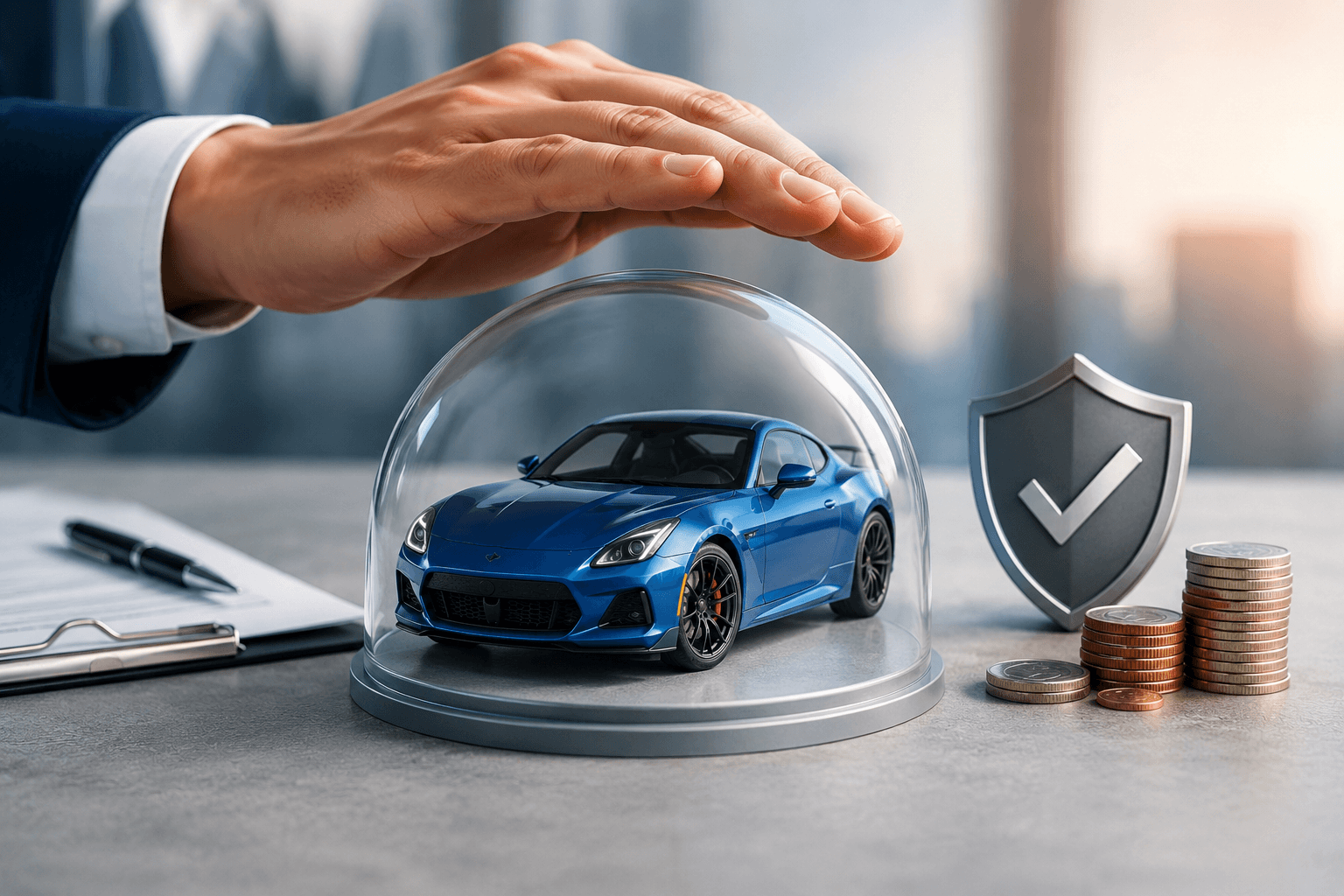
أسعار تأمين السيارات في الإمارات ليست عشوائية. قد يدفع سائقان يمتلكان مركبتَين مختلفتَين مبالغ مختلفة للتغطية، إذ تُقيّم شركات التأمين المخاطر بشكل مختلف لكل مزيج من السائق والمركبة. وهذا ما يجعل كثيرين يضيعون في مقارنة وثائق التأمين والفرق الكبير في الأسعار.
الحقيقة أن هناك عدداً من الجوانب التي تُؤثّر على قسط تأمين سيارتك. يمكن أن تتأثر معدلات التأمين بعمرك وسجل قيادتك وموديل سيارتك وسجل المطالبات والموقع وحتى طريقة صيانة المركبة. هناك عوامل معيّنة تُعزّز المخاطر لدى شركات التأمين وأخرى تُساعد على خفض تكاليف القسط.
معرفة هذه الجوانب المتعلقة بتأمين السيارات في الإمارات تُساعد أصحاب المركبات على اتخاذ قرارات أكثر استنارة قبل شراء وثائق التأمين أو تجديدها.
ما هو قسط تأمين السيارة؟
يشير قسط تأمين السيارة في الإمارات إلى المبلغ الذي يُدفع لشركة التأمين لتغطية حماية المركبة. يُحدَّد القسط بناءً على تقييم شركة التأمين لاحتمالية تعرّض السائق أو المركبة لحوادث أو سرقة أو تلف أو مطالبات لاحقة.
المخاطر المُتصوَّرة المرتفعة تعني عادةً ما يلي:
- تكلفة قسط أعلى
- قيود تغطية أكثر
- حساسية أعلى للمطالبات
المخاطر المُتصوَّرة المنخفضة تُفضي عادةً إلى ما يلي:
- أسعار أفضل
- موافقة أسهل
- تكاليف تجديد أكثر استقراراً
لماذا تختلف أقساط تأمين السيارات بين السائقين
لا تُحسب الأقساط بنفس الصيغة في جميع شركات التأمين. تستند جميع الوثائق إلى تقييم المخاطر والمخاطر تتفاوت من سائق لآخر.
- ملف مخاطر السائق يُغيّر التسعير: تأخذ شركات التأمين في الاعتبار العمر والخبرة وسجل القيادة لتحديد احتمالية المطالبات المستقبلية.
- نوع المركبة يُؤثّر على مخاطر التأمين: السيارات الفاخرة والرياضية وعالية القيمة تميل إلى زيادة تكلفة تأمين السيارة في الإمارات، إذ إن تكاليف الإصلاح والاستبدال أعلى.
- سجل المطالبات يُؤثّر على القسط: السائقون ذوو المطالبات المتكررة كثيراً ما يُعتبرون أعلى خطورة في حسابات تجديد الوثيقة.
- نمط الاستخدام مهم: سيارات التنقل اليومي تميل إلى أقساط أعلى مقارنةً بالسيارات قليلة الاستخدام.
العوامل الحاسمة المؤثّرة على تأمين السيارات في الإمارات
يعتقد معظم السائقين أن أسعار التأمين تستند فقط إلى موديل السيارة أو نوع التغطية. غير أنه في الواقع العملي تُحسب المخاطر من قِبَل شركات التأمين باستخدام مجموعة من العوامل.
تأخذ شركات التأمين في الإمارات في الاعتبار كيفية قيادتك وحالة سيارتك وسجل مطالباتك وحتى مكان قيادتك كعوامل تُحدّد قسط تأمين سيارتك. فهم هذه العوامل يُساعد السائقين على اتخاذ قرارات مالية وقرارات ملكية أكثر حكمة لمركباتهم.
- عمر السائق وخبرته
عادةً ما تعتبر شركات التأمين السائقين الأصغر سناً أو الأقل خبرة أكثر خطورة لأن احتمالية تعرّضهم للحوادث أعلى مقارنةً بالسائقين الأكبر سناً وأصحاب الخبرة. السائقون ذوو سجلات قيادة نظيفة وأطول يميلون إلى الحصول على أقساط تنافسية وشروط تجديد أفضل على المدى البعيد.
- نوع المركبة وقيمتها السوقية
السيارات الفاخرة والرياضية ومركبات SUV عالية المستوى تميل إلى رفع سعر تأمين السيارات في الإمارات بسبب ارتفاع تكاليف الإصلاح وقطع الغيار والاستبدال مقارنةً بالسيارات العادية.
- سجل المطالبات السابقة
عدد الحوادث أو مطالبات التأمين من المرجح أيضاً أن يرفع الأقساط المستقبلية. عادةً ما يُعرض على السائقين الذين لم يتقدّموا بأي مطالبات معدلات أفضل لأن شركات التأمين تعتبرهم حاملي وثائق منخفضي المخاطر.
- اختيار نوع التغطية
التأمين الشامل أغلى بطبيعة الحال من تأمين الطرف الثالث لأنه يُوفّر تغطية أوسع للحوادث والسرقة والحريق وحوادث الأضرار الأخرى. مقدار التغطية يُؤثّر مباشرة على القسط.
- القيادة اليومية واستخدام المركبة
المركبات التي تُستخدم كثيراً للتنقل أو تُقاد لمسافات طويلة لديها تعرّض أعلى على الطريق وهي أكثر عرضة للحوادث. الاستخدام المتزايد يُترجَم عادةً إلى حسابات مخاطر تأمين أعلى.
- المخالفات المرورية وسلوك القيادة
الغرامات والتجاوزات المتكررة في السرعة أو سجل القيادة المتهوّرة تُؤثّر سلباً على ثقة شركة التأمين. تميل شركات التأمين إلى فرض رسوم أعلى على السائقين ذوي سجلات القيادة السيئة.
- الموقع وظروف مواقف السيارات
السيارات المستخدمة يومياً والمركونة في مناطق مكشوفة عالية المخاطر في المراكز الحضرية قد تخضع لأقساط أعلى إذ تكون مخاطر الحوادث والأضرار جسيمة.
- صيانة المركبة وحالتها
المركبات المصانة بشكل صحيح تميل إلى أن تكون أكثر أماناً ولديها خطر أقل للأعطال الميكانيكية في أي وقت. قد تُسبّب الحالة السيئة للإطارات أو مشاكل الفرامل أو غياب الصيانة تأثيراً غير مباشر على تصوّر مخاطر التأمين في المستقبل.
- تكلفة الإصلاح وقطع الغيار
السيارات التي تتطلب قطع غيار مستوردة أو باهظة الثمن كثيراً ما تحظى بأقساط تأمين أعلى لأن تكاليف تسوية المطالبات أعلى بالنسبة لشركات التأمين.
- أهلية مكافأة عدم المطالبة
السائقون الذين يتجنّبون تقديم المطالبات لفترات طويلة كثيراً ما يستحقّون مزايا عدم المطالبة مما يُساعد على خفض عوامل سعر تأمين السيارة في الإمارات بشكل ملحوظ عند تجديد الوثيقة.
التأمين الشامل مقابل تأمين الطرف الثالث
نوع تغطية التأمين المختارة يُغيّر مباشرة مبلغ القسط لأن نطاق التغطية يختلف اختلافاً كبيراً.
| نوع التغطية | مستوى التغطية | تكلفة القسط |
|---|---|---|
| تأمين الطرف الثالث | حماية أضرار محدودة | منخفض |
| التأمين الشامل | حماية أوسع للمركبة | أعلى |
عادةً ما تُكلّف وثائق التأمين الشامل أكثر لأنها تحمي من نطاق أوسع من سيناريوهات الأضرار.
الأخطاء الشائعة التي تزيد قسط التأمين
كثير من السائقين يزيدون تكاليف تأمينهم دون أن يدركوا ذلك من خلال عادات وقرارات يمكن تجنّبها.
- تأجيل تجديد التأمين: قد تُؤثّر ثغرات الوثيقة أحياناً سلباً على أسعار التجديد.
- تجاهل مخالفات القيادة: الغرامات والمخالفات المرورية المتكررة تزيد من المخاطر المُتصوَّرة لدى شركات التأمين.
- اختيار التغطية دون مقارنة: عدم مقارنة الوثائق كثيراً ما يُؤدّي إلى دفع أقساط أعلى بلا داعٍ.
- إهمال حالة المركبة: قد تزيد الصيانة السيئة للمركبة من خطر الحوادث أو الأعطال بمرور الوقت.
كيف تُؤثّر صيانة المركبة على مخاطر التأمين
لا يرى معظم السائقين العلاقة بين صيانة المركبة والتأمين، لكنهما مرتبطان ارتباطاً وثيقاً. تُحدّد شركات التأمين المخاطر من خلال احتمالية الحوادث والأعطال والمطالبات. مثل هذه المركبة أكثر عرضة للخطر بسبب التأثير المباشر للأعطال الميكانيكية على سلامة القيادة والفرامل واستقرار الطريق.
لهذا السبب يتأثّر سلوك أقساط تأمين السيارات على المدى البعيد بشكل غير مباشر بالصيانة المنتظمة.
- حالة الإطارات تُؤثّر على سلامة الطريق
الإطارات المتآكلة تُقلّل من الإمساك بالطريق وأداء الفرامل واستقرار المركبة لا سيما عند الاضطرار لتطبيق فرامل الطوارئ أو عند سير المركبة على طرق مبلّلة. حالة الإطارات عامل خطر يزيد من احتمالية الحوادث مما يُؤدّي إلى تعرّض تأميني على المدى البعيد.
- أداء الفرامل يُقلّل من خطر الحوادث
غياب الفرامل القوية أو بطء الاستجابة للتوقف أو الفرامل غير المصانة يجعل الاصطدامات خطيرة جداً. الصيانة الصحيحة للفرامل تُعزّز أمان السيارة وتُقلّل احتمالية مطالبات تأمين حوادث السيارات.
- موثوقية المحرك تمنع الأعطال على الطريق
غياب الصيانة الصحيحة للمحرك يُعرّض للخطر بسبب الأعطال والتسخين الزائد أو الفشل المفاجئ للمركبة على الطريق. الحالة الثابتة للمحرك تُتيح تشغيلاً أكثر أماناً على الطريق وتُقلّل مخاطر التشغيل.
- صحة البطارية والأنظمة الكهربائية تُحسّن الموثوقية
قد تحدث أعطال مفاجئة أو أعطال أخرى تتعلق بالسلامة بسبب البطاريات الضعيفة أو الأنظمة الكهربائية غير المستقرة. الصيانة المنتظمة تُقلّل الأعطال المفاجئة للمركبة.
- التعليق والمحاذاة يُؤثّران على التحكم في المركبة
التعليق التالف أو ضبط الإطارات السيئ يُؤثّر على استقرار التوجيه وتآكل الإطارات والتعامل العام مع الطريق. التحكم الأفضل في المركبة يُقلّل من احتمالية الحوادث أثناء القيادة اليومية.
- الخدمة المنتظمة تعكس ملكية مسؤولة
كثيراً ما يُنظر إلى السائقين الذين يصونون مركباتهم بانتظام على أنهم أصحاب مركبات منخفضو المخاطر لأن الصيانة الصحيحة تُقلّل المشكلات الميكانيكية القابلة للوقاية وظروف القيادة غير الآمنة.
- انخفاض الأعطال الميكانيكية يعني انخفاض مخاطر المطالبات
المركبات المصانة جيداً أقل عرضة للأعطال الميكانيكية التي تُسهم في الحوادث أو حالات الطوارئ على الطريق. انخفاض احتمالية المطالبات يدعم بشكل غير مباشر استقرار التأمين الأفضل بمرور الوقت.
خاتمة
إدراك العوامل الرئيسية المُؤثّرة على تأمين السيارات في الإمارات يُتيح للسائقين اتخاذ خيارات أكثر سلامة مالية وملكية للمركبات. تكلفة التأمين تتأثّر بأكثر بكثير من مجرد السيارة ذاتها: سجل القيادة ونوع السيارة وسجل المطالبات والاستخدام والصيانة كلها تلعب دوراً في تحديد قسط تأمين سيارتك في الإمارات.
السائقون أصحاب عادات القيادة الأكثر أماناً والمركبات المصانة جيداً عادةً ما يُقلّلون من مخاطر الملكية وتكاليف التأمين على المدى البعيد. وبما أن التأمين يكون فعّالاً في حالات الظروف غير المتوقّعة، فإن الاعتناء الجيد بالمركبة يُقلّل هذه المخاطر من البداية.
TyresCart يُساعد سائقي الإمارات في استبدال إطاراتهم ومحاذاتها واستبدال البطارية ويُقدّم حلول صيانة المركبات للحفاظ على سلامتها وموثوقيتها وأدائها الأمثل على الطريق يومياً.